 Save
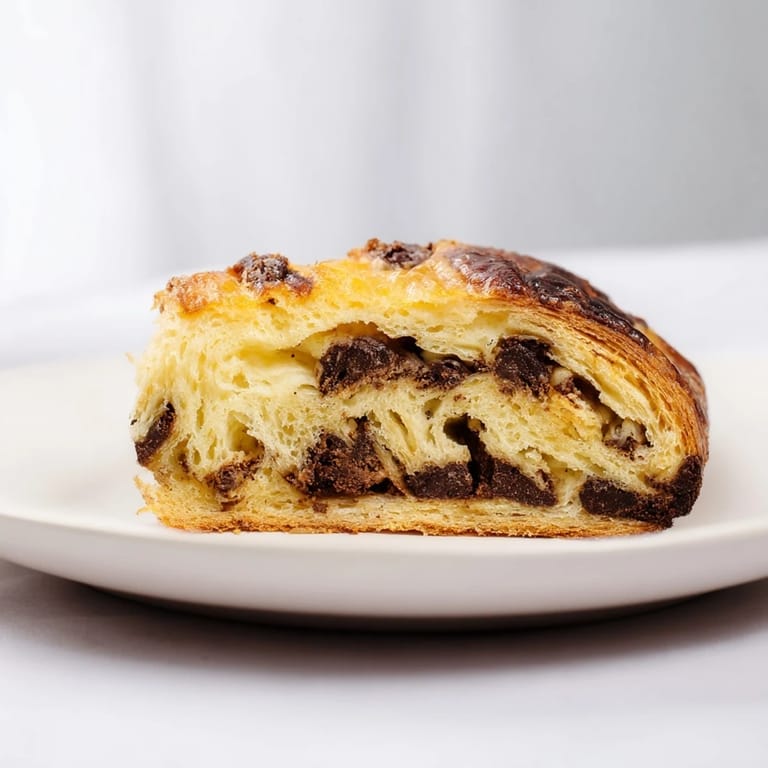
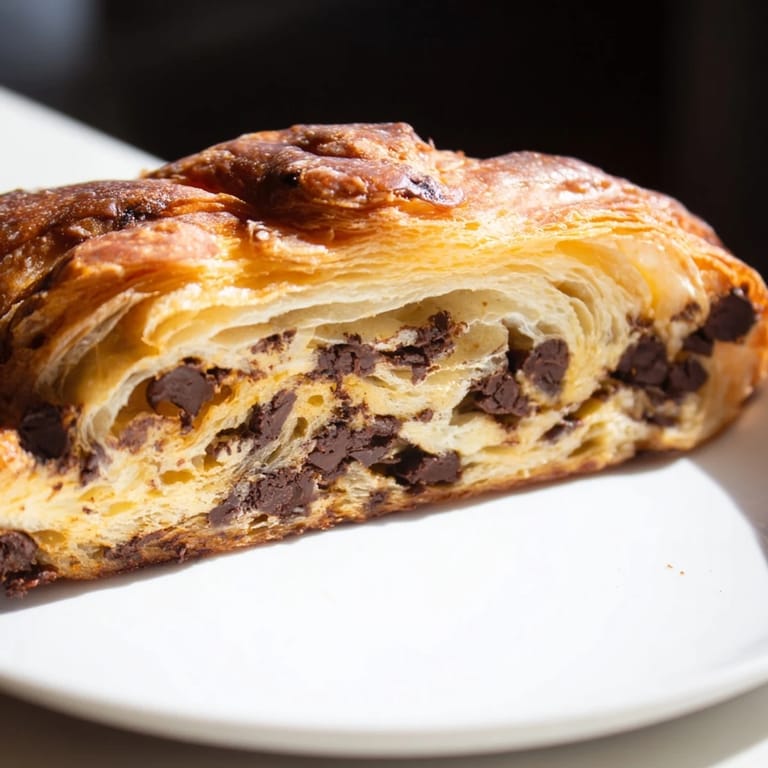
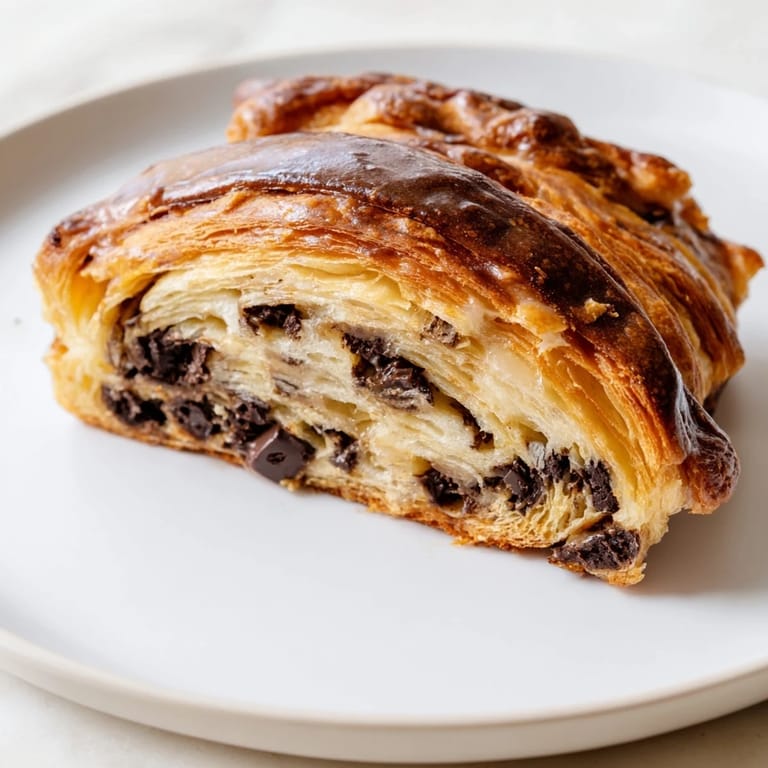
Save The first time I attempted a crookie, I was skeptical—how could something truly be both croissant and cookie without becoming a confusing mess? But one afternoon, watching butter separate into delicate laminations while chocolate chips waited in a bowl nearby, I realized the magic wasn't in choosing between them. It was in letting both textures coexist: the shatter of flaky layers meeting the soft, chewy pull of cookie dough in the very same bite. Now I can't imagine having just one.
I'll never forget bringing a tray of warm crookies to my neighbor's book club, still steaming from the oven. The room went silent for maybe three seconds, then erupted into the kind of chaos that only happens when people taste something they didn't know they needed. Someone asked for the recipe right there, mid-sentence, and I realized this hybrid pastry had just become my signature move.
Ingredients
- All-purpose flour (250 g for dough, 120 g for cookie layer): This is your structural foundation, and the dough needs to be resilient enough to handle the lamination folds without tearing.
- Unsalted butter (150 g cold for lamination, 25 g melted for dough, 70 g softened for cookie): Cold butter creates those signature flaky layers, while the softened butter in the cookie dough keeps things tender and rich.
- Granulated sugar and brown sugar (90 g combined): The mix of both types gives you complexity—the granulated sugar helps spread and crisp, while brown sugar brings molasses depth and chewiness.
- Instant yeast (7 g): This gentle rise keeps everything feathery without overproofing into tough, dense layers.
- Whole milk, lukewarm (120 ml): Warm milk wakes up the yeast and creates a tender crumb that won't fight you during lamination.
- Egg and egg yolk: The whole egg gives dough structure, while the yolk in the cookie layer adds richness and binds chocolate chips into the filling.
- Baking soda (1/2 tsp): This reacts with the brown sugar's acidity to create lift and spread just when you need it.
- Dark chocolate chips (100 g): High-quality chips melt into pockets rather than disappearing, and dark chocolate cuts through the buttery sweetness beautifully.
- Vanilla extract (1 tsp): A small but essential note that rounds out the cookie layer's flavor without competing with chocolate.
- Salt (1/4 tsp for cookie, 1 tsp for dough): Salt is your silent partner, brightening chocolate and balancing sweetness in every layer.
Tired of Takeout? 🥡
Get 10 meals you can make faster than delivery arrives. Seriously.
One email. No spam. Unsubscribe anytime.
Instructions
- Mix Your Base Dough:
- Combine flour, sugar, salt, and yeast in a bowl, then add the warm milk, melted butter, and egg. Stir until everything just comes together into a shaggy mass, then knead for about five minutes until smooth and supple—you're looking for a texture that springs back gently when you poke it. This isn't a long knead; you want the dough to stay tender.
- Chill and Prepare the Butter Block:
- Shape your dough into a rectangle, cover it with plastic wrap, and let it chill for 30 minutes while you make a butter square. Take your cold unsalted butter and roll it between two pieces of parchment paper until it forms a 15x15 cm square—you need it cold and pliable but still firm enough to hold its shape when you fold. Return it to the fridge.
- Begin the Lamination:
- Roll your chilled dough into a 30x15 cm rectangle, then place that cold butter square in the center. Fold the dough over from both long sides to completely encase the butter, sealing the edges with your fingertips. Now roll this butter packet out to 45x20 cm, trying to keep the thickness even.
- Fold, Rest, and Repeat:
- Fold your rectangle into thirds like a letter, then chill for 30 minutes. Roll out to 45x20 cm again, fold into thirds, and chill—repeat this cycle one more time until you've done three total folds. After the final fold, chill for a full hour, letting all those butter layers relax and firm up before assembly. Don't skip this rest; it's what creates the shattering texture.
- Build the Cookie Layer:
- While your dough rests, beat softened butter and both sugars together until they're light and creamy—about two minutes—then add the egg yolk and vanilla and mix until fully incorporated. Fold in your flour, baking soda, and salt gently, then fold in the chocolate chips. Cover and chill while you wait for the dough to finish its final rest.
- Assemble Your Crookies:
- Roll your laminated dough to about 6 mm thick and 30x25 cm, trying to keep the thickness even so they bake consistently. Spread or dollop your cookie dough evenly over the surface, leaving a 1 cm border all around so the pastry can puff without leaking filling. Roll up tightly from one long side and slice into eight equal portions using a sharp, confident knife—don't saw; let the blade do the work.
- Proof and Bake:
- Place your crookie slices on a parchment-lined baking sheet, cover them loosely with plastic wrap, and let them sit at room temperature for one hour—they'll puff and look slightly risen, signaling they're ready. Preheat your oven to 190°C, then bake for 18–20 minutes until they're deep golden and a toothpick inserted in the center comes out clean. Let them cool on a wire rack; they'll continue to set as they cool, creating that perfect contrast between crisp exterior and gooey center.
 Save
Save There's a quiet moment about halfway through baking when the kitchen fills with the smell of butter turning golden and chocolate beginning to melt, and you realize you've created something that tastes like both ambition and comfort at the same time. That's when I know I've gotten it right.
The Art of Lamination
Lamination sounds fancy and complicated, but it's really just a conversation between butter and dough. Each time you roll and fold, you're teaching them to coexist in thin, crispy layers—it's less about precision and more about patience. I learned this the hard way after rushing through folds, only to end up with dense pastry instead of the shattered, flaky texture that makes people close their eyes when they bite in. Respect the rests between folds; they're not waiting time, they're when the magic actually happens.
Chocolate and Sweetness Balance
The combination of granulated and brown sugar in the cookie layer surprised me the first time I tasted it—the brown sugar brings an almost caramel-like depth that keeps the crookie from tasting one-dimensional or cloying. Adding dark chocolate instead of milk chocolate was another small choice that changed everything, because dark chocolate's slight bitterness cuts through all that buttery richness and makes you want another bite instead of feeling stuffed after one. It's worth seeking out good-quality chocolate chips; they'll melt into actual pockets instead of disappearing into the dough.
Making Them Your Own
The base crookie is perfect on its own, but this is also a template that begs for riffing. I've added chopped toasted hazelnuts, swapped half the chocolate chips for white chocolate, even tried crushed pretzels for a sweet-salty twist that nobody expected. The structure holds up to these variations beautifully, which is part of why this hybrid became my go-to when I want to impress without spending the entire day in the kitchen.
- Toast any nuts or mix-ins lightly before folding them in—it wakes up their flavor and keeps them from getting lost in the dough.
- Brush the tops with a quick egg wash before baking if you want that extra shine and deeper golden color.
- Leftover crookies are best eaten within a day or two, but they reheat gently in a 150°C oven for about five minutes if you need them warm again.
 Save
Save A crookie is proof that the best food happens when you stop trying to choose and start exploring what happens when two things collide. Make these and watch people realize they've been craving this exact thing without knowing it existed.
Saffron Brook Recipe Q&As
- → What type of dough is used for the flaky layers?
The treat features laminated dough, which involves folding cold butter into the dough multiple times to create thin, crispy layers.
- → How do I ensure the treat stays crisp after baking?
Proper chilling during preparation and baking at the recommended temperature helps achieve a crisp outer layer while maintaining moisture inside.
- → Can I substitute dark chocolate chips with other chocolate types?
Yes, you can use milk, white, or semi-sweet chocolate chips to adjust sweetness and flavor according to preference.
- → What is the purpose of chilling the dough multiple times?
Repeated chilling allows the butter layers to set, enabling the formation of distinct flaky layers during baking.
- → How should the treats be stored after baking?
Store in an airtight container at room temperature for freshness, and gently reheat before serving to restore crispness.