 Save
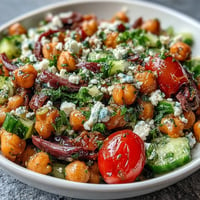
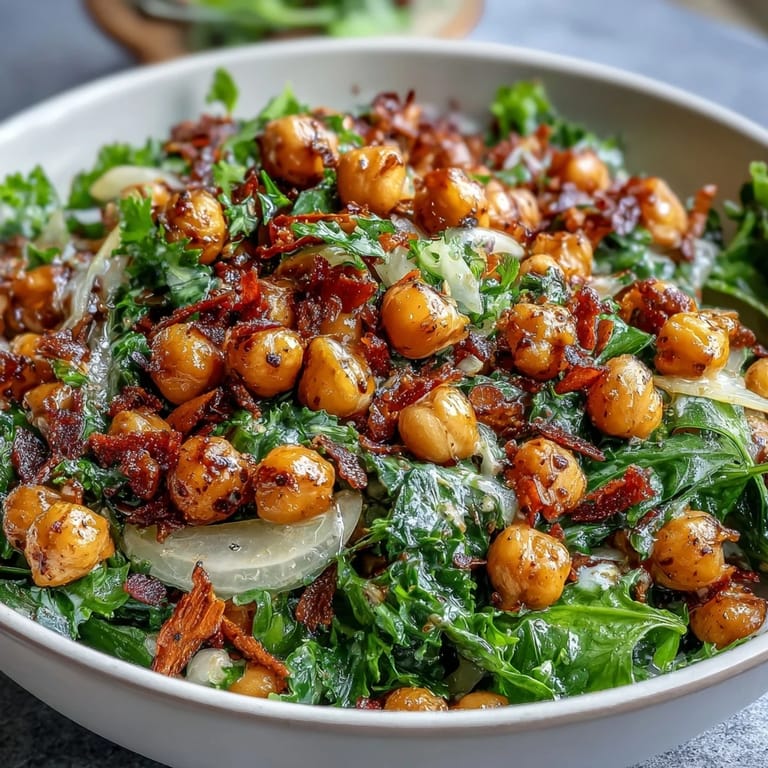
Save My neighbor brought this salad to a potluck on a sticky summer evening, and I watched people go back for thirds while barely touching the heavier dishes. She caught me mid-bite and laughed, saying it was just celery and chickpeas with a mustard dressing she'd thrown together that morning. That simplicity stuck with me—no fussy techniques, no obscure ingredients, just vegetables that actually taste like themselves, punctuated by a vinaigrette with enough personality to make you pause between bites.
I made this for my sister's book club last spring, and three different people asked for the recipe before they even finished eating. One of them admitted she'd assumed anything this good had to be complicated, and her surprised expression when I explained it was just a bowl and a jar felt like a small victory. She texted me two weeks later that she'd made it four times already.
Ingredients
- Chickpeas (1 can, 15 oz drained and rinsed): They provide protein without heaviness, and rinsing them removes the starchy liquid that would make your salad soggy by day two.
- Celery stalks (4 large, thinly sliced): The crisp backbone of this salad—slice them thin enough that they disappear into the bowl but stay crunchy, and don't skip the leafy tops if they're fresh and tender.
- Red onion (1 small, finely diced): A raw onion brings sharpness, but dice it small so it doesn't overpower; the vinaigrette will soften its bite over time.
- Carrot (1 medium, shredded): Shredding instead of chopping means it distributes evenly and adds sweetness without being obvious about it.
- Fresh parsley (1/4 cup, chopped): This is where freshness lives in the salad—add it right before serving if you want maximum green brightness.
- Roasted almonds or sunflower seeds (1/4 cup, roughly chopped, optional): They're optional but they're why people ask if there's something special in here; toast them yourself if you can, it makes a real difference.
- Extra virgin olive oil (3 tbsp): Use one you'd actually taste on its own, because that's what you're doing here.
- Red wine vinegar (1.5 tbsp): This is sharper than white vinegar and plays nicely with the mustard without being aggressive.
- Dijon mustard (1 tbsp): Not yellow mustard—Dijon has a smoothness and depth that transforms the whole dressing into something you'll think about later.
- Honey or maple syrup (1 tsp): A tiny bit of sweetness balances the vinegar's punch and makes the flavors feel complete.
- Garlic clove (1 small, minced): Raw garlic can be sharp, but one small clove minced fine adds a whisper rather than a shout.
- Sea salt and black pepper (1/4 tsp each): Taste as you go—you can always add more salt, but you can't take it out.
Tired of Takeout? 🥡
Get 10 meals you can make faster than delivery arrives. Seriously.
One email. No spam. Unsubscribe anytime.
Instructions
- Build Your Base:
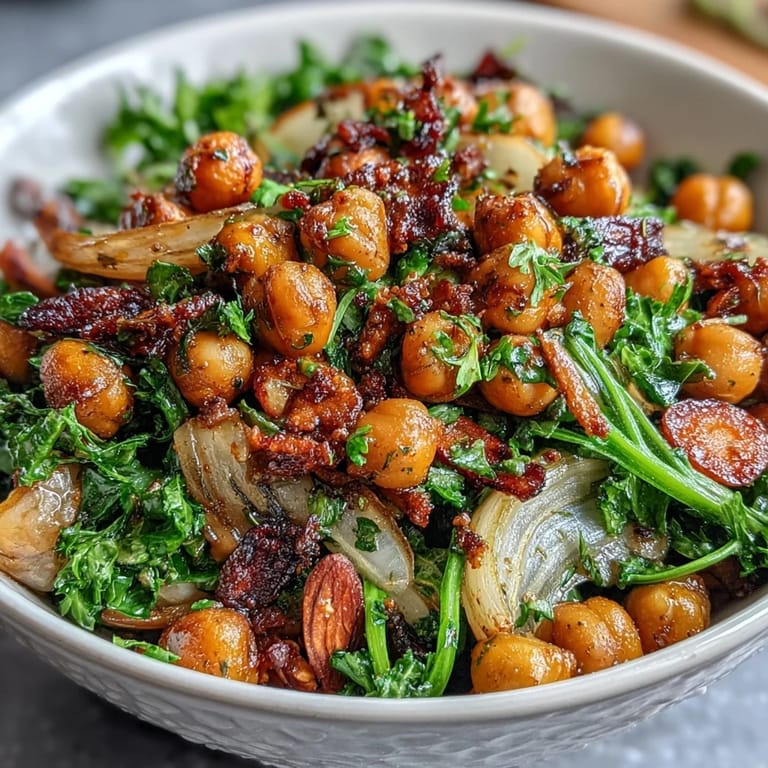
- Drain and rinse your chickpeas thoroughly—this matters more than you'd think. In a large salad bowl, combine the chickpeas with your sliced celery, diced red onion, shredded carrot, and chopped parsley, tossing everything together so the colors are distributed evenly.
- Make the Vinaigrette:
- In a small bowl or a jar you can shake (shaking is honestly more fun and gets things more emulsified), combine your olive oil, red wine vinegar, Dijon mustard, honey, minced garlic, salt, and pepper. Whisk or shake until the dressing looks cohesive and slightly thickened.
- Bring It Together:
- Pour the vinaigrette over your salad and toss everything gently but thoroughly, making sure every piece of celery and chickpea gets a coating. If you're using almonds or seeds, toss them in now so they stay crunchy.
- Taste and Adjust:
- This is the moment that separates okay salads from ones people remember—take a bite and adjust the salt, vinegar, or mustard to your preference. Serve immediately for maximum crunch, or chill for 30 minutes if you prefer the flavors to meld and soften slightly.
 Save
Save My dad made this once when he was supposed to bring something to a neighborhood gathering, and he returned home with an empty bowl and a compliment that stuck with him—someone had asked if he'd catered it. He's not someone who cooks often, but for months after that he'd mention how a salad had made him feel capable in the kitchen.
Why This Works as a Meal
Chickpeas are quietly one of the most underrated sources of plant protein, and when you pair them with crisp vegetables and a dressing that actually has personality, you've got something that feels complete without any animal products or heavy starches. It's light enough for lunch but substantial enough that you won't be hungry an hour later. The best part is how it gets better as it sits—the vinaigrette softens the celery slightly while the vegetables continue to release their own juices, creating a more cohesive whole by the next day.
Variations That Actually Work
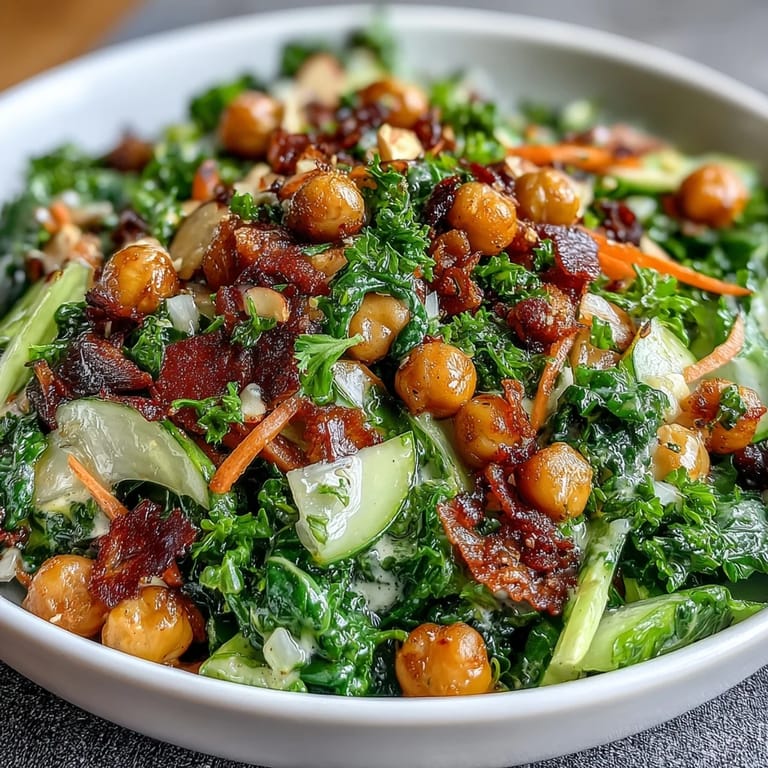
This salad is more flexible than it seems, and I've made versions depending on what was in my crisper drawer or what mood I was in. Adding diced cucumber or shaved radishes gives you extra crunch and freshness; swapping the parsley for dill brings an almost pickle-like quality that pairs beautifully with the mustard, while cilantro creates something brighter and more herbaceous. You can also experiment with different vinegars—white wine vinegar is milder, apple cider vinegar brings a subtle sweetness, and champagne vinegar feels elegant without being pretentious.
How to Make It Your Own
The architecture of this salad is solid enough that you can riff on it without losing what makes it work. I've added roasted beets for earthiness, thinly sliced fennel for an anise note, or even a handful of pumpkin seeds for a different texture entirely. One evening I had some leftover grilled vegetables in the fridge and tossed them in cold, which sounds odd but created this interesting contrast between warm-cooked and raw. The vinaigrette itself is your playground—add a pinch of Dijon powder for more depth, or a tiny spoon of tahini if you want richness without dairy.
- Keep your core vegetables (celery, chickpeas, carrot) as the foundation and build from there based on the season and what you have.
- Always taste your vinaigrette before it hits the salad—that 30 seconds of adjustment makes the difference between good and memorable.
- Make extra dressing because you'll want it on other things, and it keeps in a jar for nearly two weeks.
 Save
Save This salad arrived in my life at a moment when I was tired of cooking feeling like an obligation, and it reminded me that sometimes the most satisfying meals are the ones that don't demand much from you. It's become my answer to the question of what to bring somewhere, and more importantly, it's made me trust that simplicity done well beats complexity every time.
Saffron Brook Recipe Q&As
- → How do I prepare the vinaigrette?
Whisk together extra virgin olive oil, red wine vinegar, Dijon mustard, honey or maple syrup, minced garlic, salt, and pepper until well emulsified.
- → Can I add other vegetables to this dish?
Yes, adding sliced radishes or diced cucumber can increase crunch and freshness in the salad.
- → What can I substitute for parsley?
Dill or cilantro can be used instead of parsley to create different flavor profiles.
- → Is this salad suitable for special diets?
It is vegetarian, gluten-free, and dairy-free, making it suitable for various dietary preferences.
- → How can I enhance the flavor of the salad?
Chilling the salad for 30 minutes allows the flavors to meld and intensify before serving.