 Save
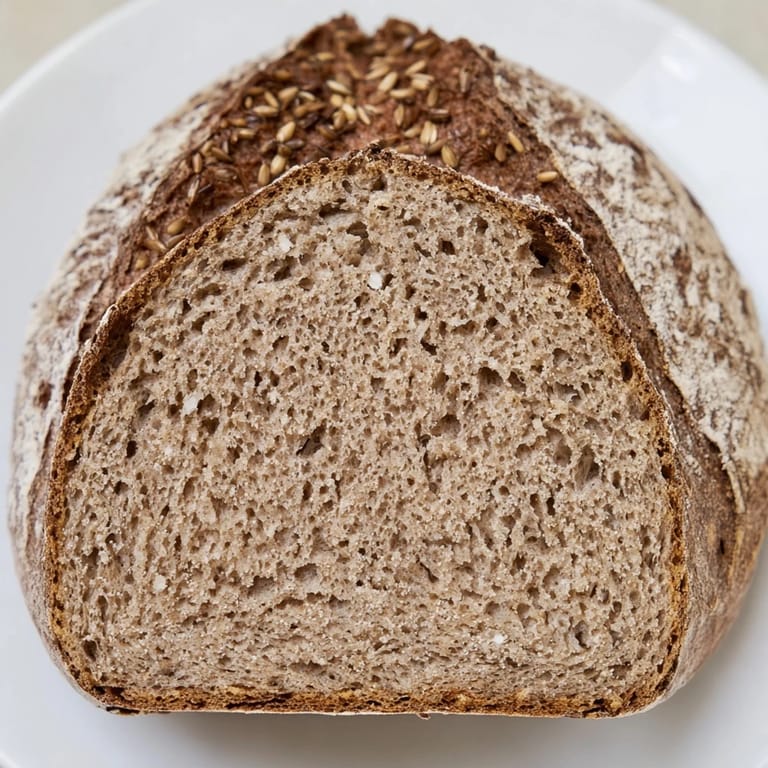
Save The first loaf of rupjmaize I made came together almost by accident on a quiet Sunday afternoon when I found a dusty packet of caraway seeds in the back of my spice drawer. My Latvian grandmother's kitchen had always smelled like this bread, that deep rye and molasses richness that somehow felt like home even before I understood where it came from. I'd watched her shape the dough with weathered hands, patient with its stickiness, trusting the long overnight rise to do what rushing never could. When I finally tried making it myself, I was shocked at how the simplest ingredients—rye flour, water, a touch of honey—could transform into something so complex and satisfying.
Years later, I brought a warm loaf to a friend who'd just moved to town, and watching her face light up when she tasted it toasted with butter reminded me why this bread matters. It's the kind of food that says something without words, that connects you to a place and time you might never have visited. That loaf became the start of a tradition between us, and now she asks for it before I even offer.
Ingredients
- Dark rye flour (500 g): The star of the show—this is what gives rupjmaize its signature dense crumb and earthy depth. Don't skip it or substitute with regular rye; the darkness matters for both flavor and color.
- Bread flour (100 g): A small amount adds structure and helps the dough rise evenly without making it tough or white.
- Active dry yeast (1 packet, 7 g): This needs a full 12 to 16 hours to work its magic on rye dough, so don't rush the overnight rise no matter how impatient you get.
- Warm water (350 ml): The temperature matters—too hot kills the yeast, too cold and nothing happens. Around 40°C (105°F) is the sweet spot.
- Molasses or dark honey (2 tbsp): This feeds the yeast and deepens the flavor into something almost smoky. Light honey tastes thin by comparison; stick with dark.
- Salt (2 tsp): Essential for flavor and to control fermentation; don't assume you can skip half of it.
- Caraway seeds (2 tsp): Toasting them first brings out a nuttier, roasted quality that makes people ask what that incredible flavor is.
- Vegetable oil (1 tbsp plus extra): Keeps the dough from sticking and prevents a dry crust, though rye bread will never be delicate.
- Rye flour for dusting: Gives the top that rustic, authentic finish and prevents the score from sealing shut during baking.
Tired of Takeout? 🥡
Get 10 meals you can make faster than delivery arrives. Seriously.
One email. No spam. Unsubscribe anytime.
Instructions
- Activate the yeast:
- Combine the warm water, molasses, and yeast in a large bowl and let it sit for 10 minutes until it becomes foamy on top—this tells you the yeast is alive and ready to work. If it doesn't foam, the yeast was dead or the water was the wrong temperature, so start over.
- Build the dough:
- Add both flours, salt, and caraway seeds to the bowl and stir with a wooden spoon until everything comes together into a shaggy, sticky mass. Don't worry if it looks wetter than wheat dough; rye always does.
- Knead it smooth:
- Drizzle in the oil and knead by hand or with a dough hook for 5 to 7 minutes until the dough becomes smooth and elastic, though it will remain sticky. You're looking for a dough that holds together but clings to your fingers.
- First rise overnight:
- Shape the dough into a loose ball, place it in a lightly oiled bowl, cover with plastic wrap or a damp towel, and let it sit at room temperature for 12 to 16 hours until it doubles in size. The long, slow rise is what gives this bread its complex, fermented flavor.
- Shape the loaf:
- Punch down the dough to release some air, transfer it to a floured surface, and shape it into a round or oval loaf depending on what feels right. Place it on parchment paper or in a greased loaf pan.
- Second rise:
- Cover and let it rise again for 45 to 60 minutes until it looks puffy and springs back slowly when you poke it gently. This second rise won't double like wheat dough; rye bread rises more modestly.
- Prepare for baking:
- While the dough rises, preheat the oven to 220°C (425°F). Dust the top of the loaf generously with rye flour and, if you like, score it with a sharp knife in a simple pattern—it doesn't need to be fancy.
- Bake until dark:
- Bake in the center of the oven for 45 to 50 minutes until the loaf is deeply browned and sounds hollow when you tap the bottom with your knuckle. The deep color tells you the crust has developed properly.
- Cool completely:
- Remove from the oven and let the loaf cool entirely on a wire rack before slicing, which usually takes an hour or so. Cutting into a warm loaf releases steam and can make it gummy; patience here makes all the difference.
 Save
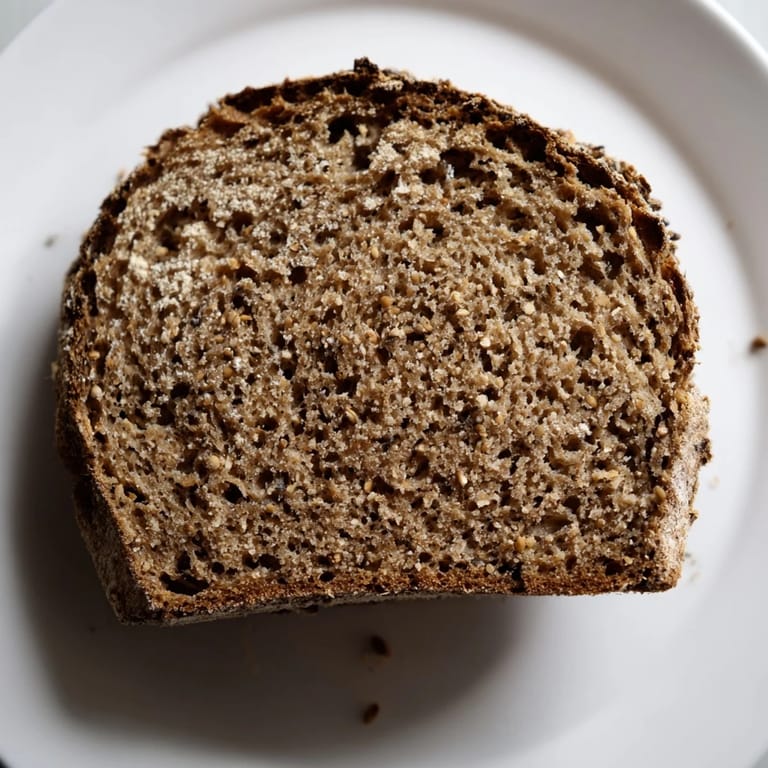
Save I remember slicing this bread for the first time and being amazed at how the interior was so tender and moist while the crust crackled with every bite, creating this beautiful contrast that somehow felt both ancient and alive. That moment, standing in my kitchen with caraway-scented steam rising from the warm bread, was when I finally understood why my grandmother protected this recipe like a secret.
The Magic of a Long, Slow Rise
Rushing rupjmaize doesn't work the way it might with white bread. The slow fermentation over 12 to 16 hours transforms the flour into something deeper—the rye develops that nutty, almost sour quality that distinguishes it from quick breads. During this time, the yeast works gently on the heavy dough, breaking down proteins and developing flavor compounds that give the bread its complexity. I've tried shortening it, thinking I was clever, and the result tasted flat and one-dimensional. The time isn't optional; it's the entire point.
Caraway: The Heart of the Flavor
This bread tastes like caraway, and if you don't like that flavor, you won't like rupjmaize, but if you've never properly toasted caraway seeds before adding them to dough, you're missing why this bread becomes a craving. Raw caraway has a bright, almost medicinal edge, but toasting it for just a minute in a dry pan brings out warmth and a subtle nuttiness that makes people pause mid-bite and ask what that is. The flavor isn't spicy or overwhelming; it's just present, distinctive, and somehow exactly right with butter and salt.
Serving and Storing Your Loaf
Fresh rupjmaize is best sliced thick and toasted, which revives the crust and lets the moisture inside come through without the bread feeling heavy. It keeps for several days wrapped in cloth or paper on the counter—never plastic, which traps steam and softens the crust—and freezes beautifully for weeks if you slice it first. I've learned that a few slices toasted and topped with salted butter or smoked fish is all this bread needs to disappear from the table.
- Toast slices until the exterior crisps but the inside stays soft, which usually takes 2 to 3 minutes in a toaster or under the broiler.
- Pair it with anything salty and rich: smoked fish, good cheese, hearty stews, or just plain butter and sea salt.
- Store in an airtight container at room temperature for up to 5 days or slice and freeze for future breakfasts.
 Save
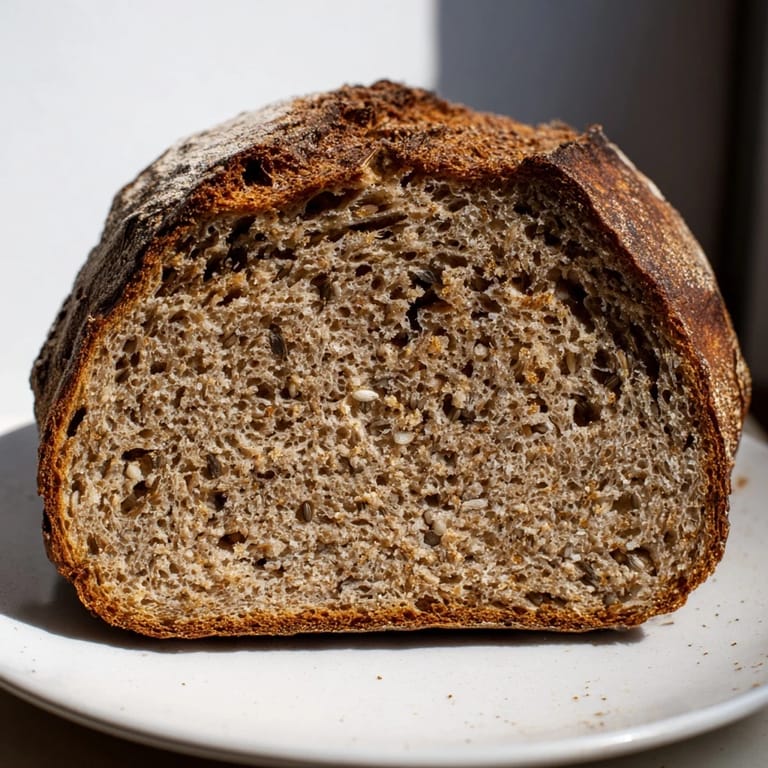
Save Baking this bread connects you to something that has fed people for centuries, and somewhere in that long, slow rise is the reason my grandmother's kitchen always felt like a safe place. Every loaf you make is an invitation to slow down and trust the process.
Saffron Brook Recipe Q&As
- → What gives this rye bread its distinctive flavor?
The caraway seeds and molasses contribute to the unique aromatic and slightly sweet flavor profile characteristic of this Latvian bread.
- → How long should the dough rise for optimal texture?
The dough benefits from a long rise of 12 to 16 hours at room temperature, which helps develop its dense yet tender crumb and enhances flavor complexity.
- → Can the bread be frozen after baking?
Yes, once fully cooled and sliced, the bread freezes well and can be toasted directly from frozen for convenience.
- → What’s the best way to achieve a crispy crust?
Dusting the loaf with rye flour before baking and scoring the top helps develop a deeply browned, crunchy crust.
- → Are there any common substitutions for molasses in this bread?
Dark honey can be used as a substitute, offering a similar sweetness and moisture to the dough.
- → What tools are needed to prepare this bread?
A large mixing bowl, dough hook or wooden spoon, loaf pan or baking sheet, parchment paper, and a wire rack for cooling are recommended.