 Save
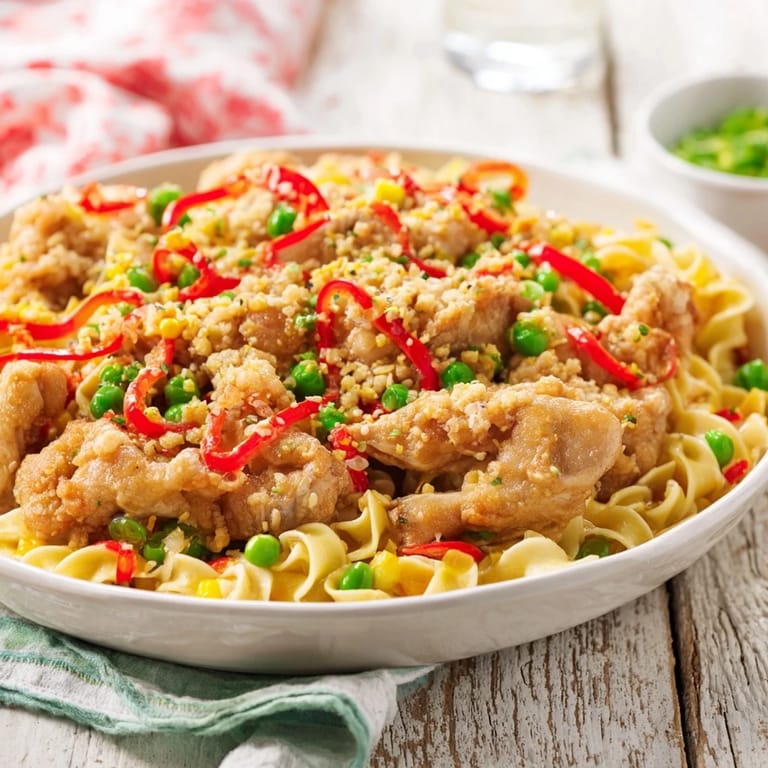
Save I stumbled onto this recipe on a rainy Tuesday when I had half a rotisserie chicken in the fridge and a packet of rice noodles I kept forgetting about. The house smelled like ginger and garlic within minutes, and my partner wandered into the kitchen asking what restaurant I'd ordered from. It wasn't takeout—it was better, because I could taste every layer as it came together. That's when I realized some of the best meals happen when you're just trying to use what you have.
The first time I made this for friends, I doubled the batch and worried I'd made too much. By the end of the night, the serving bowl was scraped clean and someone asked if I'd written the recipe down. I hadn't yet, but that's when I started keeping a running note on my phone every time I tweaked the sauce or tried a new vegetable. It became one of those dishes I'd make when I wanted to feel capable in the kitchen, even on a tired evening.
Ingredients
- Boneless, skinless chicken thighs or breasts (500 g): Thighs stay juicier and more forgiving if you overcook them slightly, but breasts work if you slice them thin and don't walk away from the pan.
- Cornstarch (1 tbsp): This gives the chicken a light coating that crisps up in the pan and helps the sauce cling instead of pooling at the bottom.
- Soy sauce (4 tbsp): The backbone of the sauce. I use low-sodium so I can control the salt, especially if I'm adding oyster sauce too.
- Hoisin sauce (2 tbsp): Adds a deep, slightly sweet richness that makes the sauce taste more complex than the effort you put in.
- Brown sugar (2 tbsp): Balances the salty and tangy elements. Start with less if you prefer things less sweet, you can always add more at the end.
- Rice vinegar (1 tbsp): Cuts through the richness and keeps the sauce from feeling heavy.
- Sesame oil (1 tsp): A little goes a long way. It adds that toasted, nutty aroma that makes everything smell like a proper stir-fry.
- Garlic and ginger (2 cloves, 1 tbsp): Fresh is essential here. The smell when they hit the hot pan is half the reason I make this dish.
- Red bell pepper and snap peas (1 pepper, 1 cup peas): They add color, crunch, and a slight sweetness that plays well with the sauce.
- Spring onions (4, plus extra): Use the white and green parts. They soften in the sauce but still have a bit of bite.
- Rice noodles (200 g dried or 3 cups cooked pasta): Rice noodles are traditional, but I've used leftover spaghetti, fettuccine, even ramen and it all worked.
- Neutral oil (2 tbsp): Canola or sunflower oil can handle high heat without smoking or adding flavor.
- Toasted sesame seeds (2 tbsp): They look pretty and add a subtle crunch that makes the dish feel finished.
Tired of Takeout? 🥡
Get 10 meals you can make faster than delivery arrives. Seriously.
One email. No spam. Unsubscribe anytime.
Instructions
- Prep the noodles:
- If you're using dried rice noodles, cook them according to the package, then drain and rinse them under cold water to stop them from sticking. If you have leftover pasta, just set it aside.
- Coat the chicken:
- Toss the sliced chicken with cornstarch, salt, and pepper in a bowl until every piece is lightly dusted. This step makes all the difference in texture.
- Mix the sauce:
- Whisk together soy sauce, hoisin, brown sugar, water, rice vinegar, oyster sauce, sesame oil, garlic, ginger, and red pepper flakes in a small bowl. The smell alone will make you hungry.
- Cook the chicken:
- Heat a tablespoon of oil in a large wok or skillet over medium-high heat, add the chicken in a single layer, and stir-fry for 4 to 5 minutes until golden and cooked through. Remove it and set it aside so it doesn't overcook.
- Stir-fry the vegetables:
- Add the remaining oil, toss in the bell pepper and snap peas, and cook for 2 to 3 minutes. They should still have a bit of snap when you bite into them.
- Bring it together:
- Return the chicken to the pan, add the spring onions, pour in the sauce, and stir everything together. Let it simmer for a minute or two until the sauce thickens and coats everything glossy.
- Add the noodles:
- Toss in the cooked noodles or pasta and mix well so every strand gets coated. Heat through for another minute.
- Serve:
- Plate it up, sprinkle with extra spring onions and toasted sesame seeds, and serve immediately while it's still steaming.
 Save
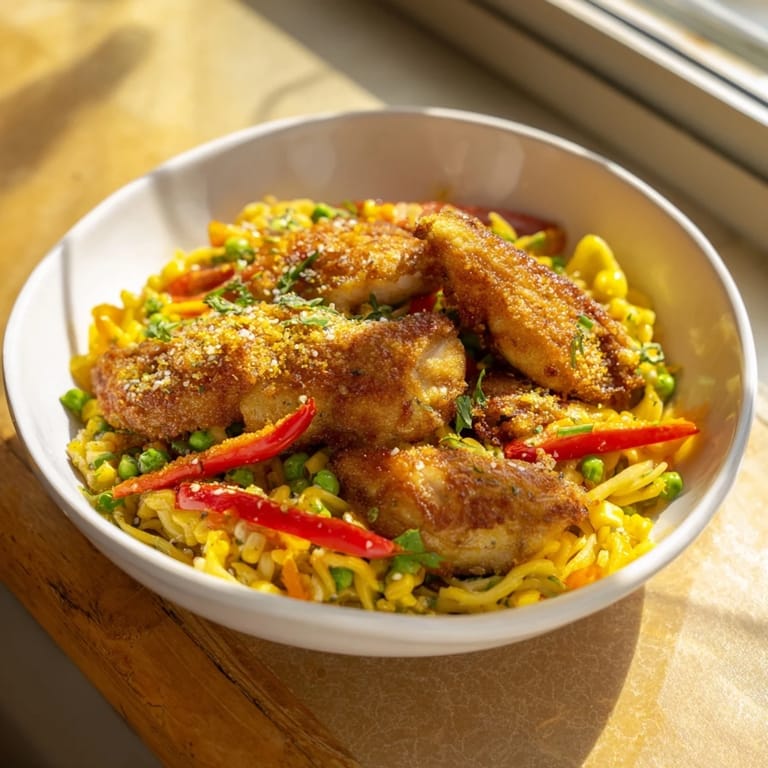
Save One evening, I made this dish for my mom after she'd had a long week. She took one bite, paused, and said it reminded her of a little place we used to go to when I was a kid. I'd never been trying to recreate that memory, but somehow the flavors landed in the same warm place. That's when I realized food doesn't have to be complicated to mean something.
Swaps and Variations
You can swap the chicken for firm tofu, shrimp, or even thinly sliced beef if that's what you have. I've also made this vegetarian by doubling the vegetables and adding mushrooms for a meatier texture. If you like more heat, double the red pepper flakes or drizzle in some chili oil at the end. It's one of those recipes that bends to whatever your fridge is offering.
Storing and Reheating
Leftovers keep well in the fridge for up to three days in an airtight container. The noodles will soak up some of the sauce as they sit, so when you reheat, add a splash of water or soy sauce and warm everything in a pan over medium heat. The microwave works too, but the pan brings back a bit of that fresh-cooked texture.
Serving Suggestions
This dish is filling on its own, but sometimes I'll serve it with a simple cucumber salad dressed in rice vinegar and a pinch of sugar to cut through the richness. If you want to make it a bigger spread, steamed edamame or crispy spring rolls on the side turn it into a full meal. A cold beer or a glass of slightly sweet Riesling pairs beautifully with the savory-sweet sauce.
- Garnish with extra sesame seeds and thinly sliced chili for a pop of color and heat.
- If you have fresh cilantro, a handful on top adds a bright, herbal note that balances the richness.
- Serve it family-style in a big bowl so everyone can help themselves and it feels a little more special.
 Save
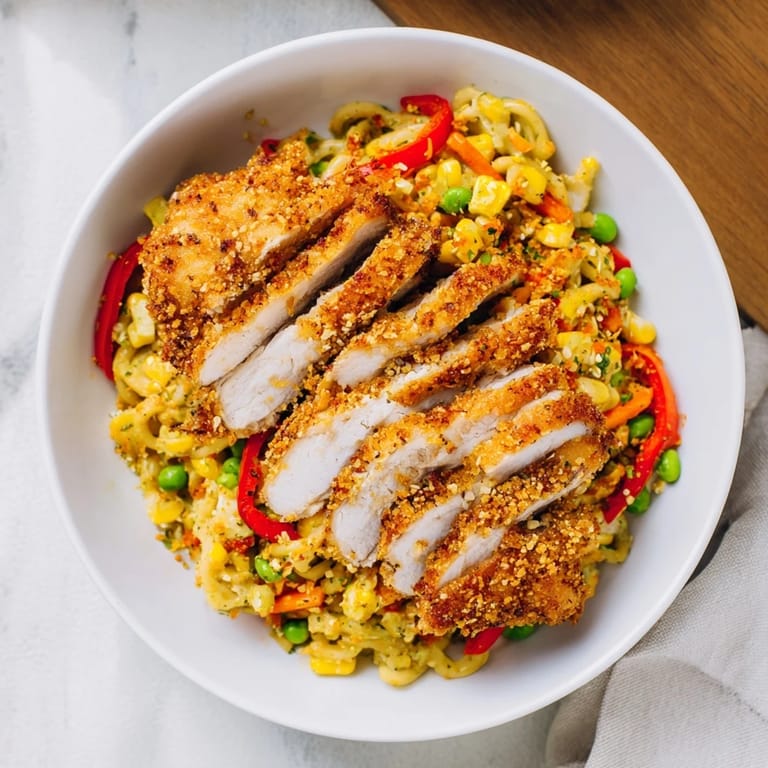
Save This recipe has become one of those reliable weeknight favorites that never feels boring. Every time I make it, someone asks for seconds, and that's really all you need from a good meal.
Saffron Brook Recipe Q&As
- → Can I use different proteins besides chicken?
Yes, tofu or shrimp can replace chicken for varied flavor and texture.
- → How do I cook the rice noodles properly?
Soak or boil the rice noodles following package instructions, then drain and rinse with cold water to prevent sticking.
- → What vegetables work best in this stir-fry?
Red bell peppers, snap peas, and spring onions provide color and crunch, but water chestnuts or baby corn can be added for extra texture.
- → Is it possible to adjust the sauce sweetness?
Absolutely, increase or decrease brown sugar to match your preferred sweetness level.
- → What oil is recommended for stir-frying?
Use neutral oils like canola or sunflower to avoid overpowering the sauce flavors.
- → Can I make this dish gluten-free?
Yes, use gluten-free soy and hoisin sauces to keep it suitable for gluten sensitivities.