 Save
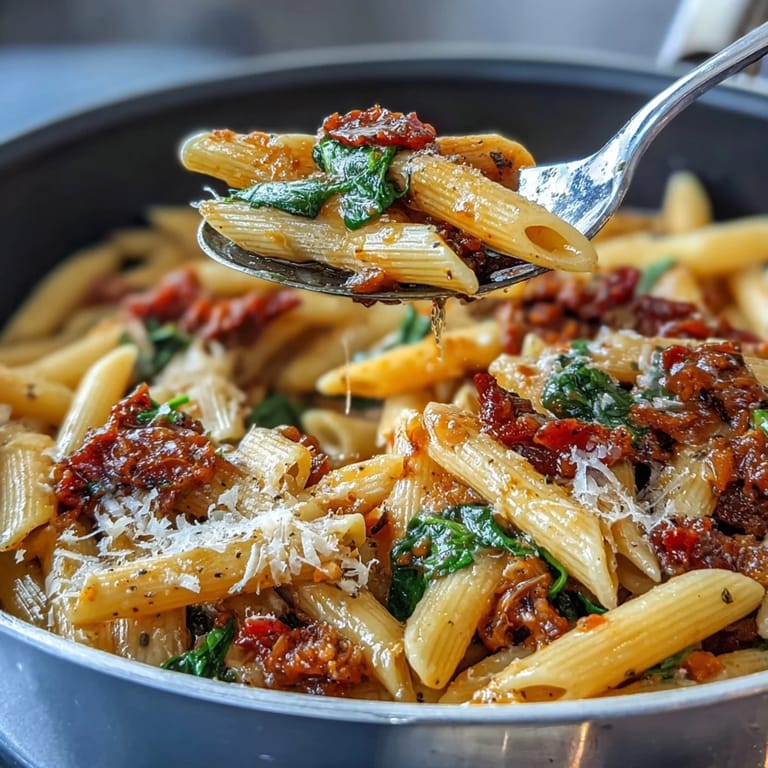
Save There's something quietly magical about a weeknight when the fridge feels picked over and the pantry is half-empty, yet somehow a single pot becomes your greatest ally. I discovered this pasta on one of those evenings when takeout felt wasteful and cooking felt impossible, standing in my kitchen watching steam rise from boiling water while my roommate complained about her day. The beauty of it isn't just the speed or the single pot sitting there getting dirtier than it should, but the way fresh spinach wilts into warmth and somehow transforms what could have been plain into something that tastes like you actually tried.
Last spring I made this for my neighbor who had just moved in, wanting something warm but not fussy to bring over. She opened her door with boxes everywhere, and I remember the way her whole expression shifted when I handed her the pot still warm, with grated Parmesan waiting on top. She ate it straight from the container while unpacking, and somehow that felt like the highest compliment possible.
Ingredients
- 350 g dried penne or fusilli: Penne holds onto the broth beautifully, while fusilli traps vegetables in its spirals; I've learned either works but avoid long thin pasta that gets mushy too quickly.
- 1 medium onion, finely chopped: The foundation of flavor that takes minutes to turn golden and fragrant, worth the small effort of fine chopping for even cooking.
- 2 garlic cloves, minced: Two feels like nothing, but it's enough to make the kitchen smell alive without overpowering everything else.
- 1 medium zucchini, diced: Adds body and cooks down slightly, becoming almost creamy by the end without needing cream.
- 1 red bell pepper, diced: I use red over green because it's sweeter and softens faster, though honestly whatever's in your crisper drawer will work.
- 400 g canned diced tomatoes with juices: Don't drain these, the juice is where the flavor lives and it's your liquid foundation.
- 100 g baby spinach: Goes in at the very end so it keeps its bright color and slightly tender snap.
- 700 ml vegetable broth: Use good broth if you have it, but honest broth or even water with a bouillon cube won't fail you here.
- 60 g grated Parmesan cheese, plus extra: The saltiness helps, and fresh grated matters more than pre-shredded which gets grainy.
- 2 tbsp olive oil: Enough to coat the bottom and help everything brown without making the pot feel greasy.
- 1 tsp dried Italian herbs: A shortcut I'm unapologetic about, though fresh basil at the end transforms it.
- ½ tsp chili flakes: Optional but it adds a whisper of heat that makes you taste each vegetable more clearly.
- Salt and black pepper to taste: Taste as you go because saltiness depends on your broth choice.
Tired of Takeout? 🥡
Get 10 meals you can make faster than delivery arrives. Seriously.
One email. No spam. Unsubscribe anytime.
Instructions
- Heat and soften your aromatics:
- Warm the olive oil in your pot over medium heat, then add the chopped onion and minced garlic, stirring for a couple of minutes until the kitchen fills with that onion smell that signals everything's about to get good. You're not browning them hard, just coaxing out sweetness and removing the harsh raw edge.
- Build your vegetable base:
- Add the diced zucchini and bell pepper, stirring so they touch the hot pot and begin to soften, which takes about another three minutes. There should be a gentle sizzle but nothing violent happening.
- Combine everything into one pot:
- Dump in the uncooked pasta, canned tomatoes with all their liquid, vegetable broth, dried herbs, chili flakes if using, salt, and pepper, stirring well so nothing sticks to the bottom. It'll look like too much liquid and you might doubt yourself, which is normal.
- Simmer until pasta is tender:
- Bring the whole thing to a boil, then drop the heat to a simmer and cover the pot, letting it bubble gently for ten to twelve minutes while you stir occasionally. The pasta will gradually absorb the liquid like it's drinking, and you'll watch the pot go from soupy to just-right.
- Finish with green and cheese:
- Remove the lid, stir in the baby spinach and grated Parmesan, letting everything cook for another minute or two until the spinach surrenders and the cheese melts into the pasta. Taste the whole thing and adjust salt and pepper because this is your moment to make it exactly right.
 Save
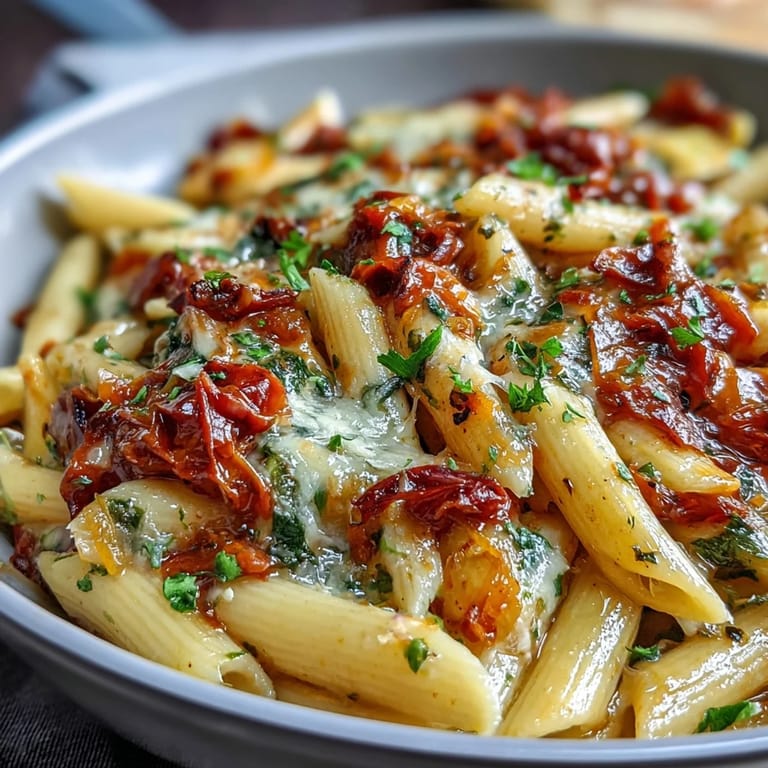
Save There was a night when a friend came over stressed from work, and I threw this together while she sat at my counter talking. By the time we sat down, the exhaustion had lifted from her shoulders like it was something we could just leave behind with the mess of chopped vegetables. Food doesn't always fix things, but sometimes it buys you space to breathe.
Why This Pot Changes Everything
The genius of one-pot pasta isn't just convenience, though that matters on a Tuesday when you're tired. The pasta soaks up every bit of broth and tomato and vegetable essence as it cooks, so you end up with something far more flavorful than if you'd boiled pasta separately and stirred in sauce. The starch from the pasta thickens the broth naturally into something almost creamy, no heavy cream required.
Stretching and Swapping
I've made this dish feel completely different depending on what was in my kitchen that day. Sometimes I add a handful of canned white beans for protein, sometimes crispy bacon crumbles stirred in at the end, sometimes leftover rotisserie chicken shredded through. The vegetables can shift too: mushrooms are lovely, frozen peas add brightness, diced carrots work if you're patient with cooking time.
Simple Additions and Serving Ideas
This dish sits contentedly in the middle ground between side and main course, so it needs only the smallest additions to feel complete. A simple green salad on the side brightens everything up, and crusty bread for wiping the bottom of your bowl is never wasted effort. The leftovers actually improve in the fridge, the flavors settling into each other, and reheated with a splash of broth they taste better the next day than they did the night before.
- Tear fresh basil over the top just before serving if you have it, because fresh herb always feels like you're trying.
- A squeeze of fresh lemon juice at the table adds brightness that makes people ask what you did differently.
- Keep extra Parmesan at the table because everyone has opinions about how much cheese belongs on their pasta.
 Save
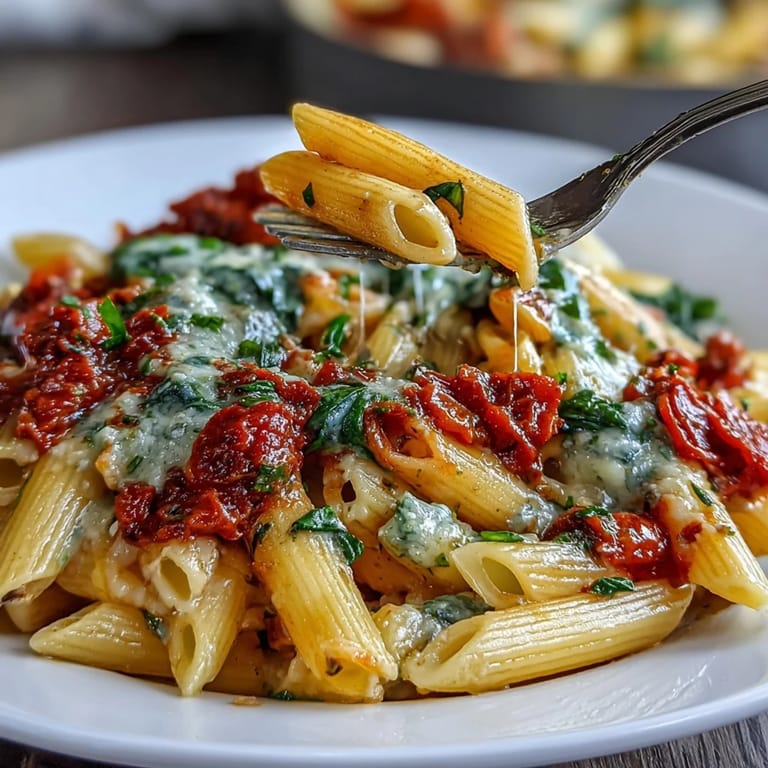
Save This is the kind of meal that proves you don't need fancy ingredients or hours of time to make something worth eating. It's honest food that tastes like you actually cared, which in the end is exactly what matters.
Saffron Brook Recipe Q&As
- → Can I use gluten-free pasta in this dish?
Yes, gluten-free pasta can be substituted to accommodate dietary restrictions without significantly altering the texture or cooking time.
- → What vegetables work best besides zucchini and bell pepper?
Mushrooms, peas, or carrots can be added or swapped based on availability and personal taste, maintaining the dish's balance.
- → How can I add protein to this meal?
Adding cooked sausage, shredded rotisserie chicken, or canned beans can boost protein content and enhance flavors.
- → Is it necessary to use Parmesan cheese?
While Parmesan adds richness, you may omit it or use a dairy-free alternative for a lactose-free option.
- → How long does the pasta need to simmer?
Simmer the pasta for 10–12 minutes until it becomes al dente and most of the liquid has been absorbed.
- → Can I prepare this dish in advance?
It can be made ahead and reheated, though fresh spinach and cheese are best added just before serving.