 Save
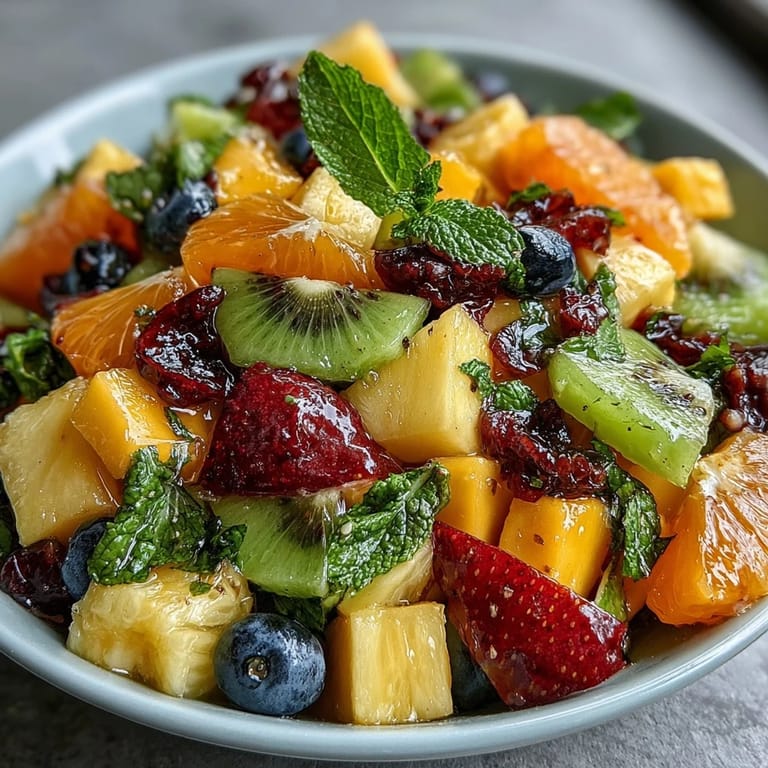
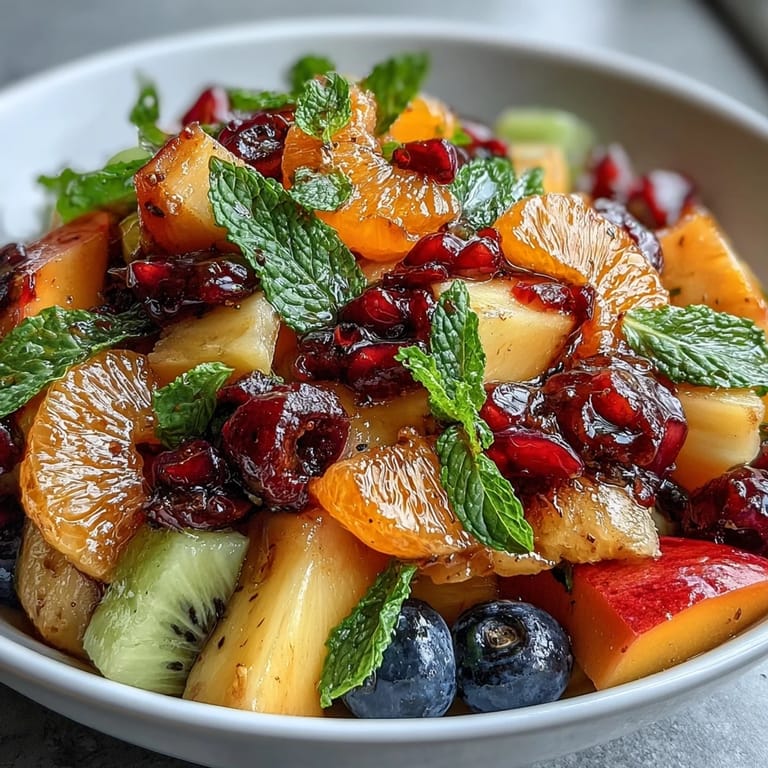
Save There's something about slicing into a perfectly ripe mango that makes you feel like summer just walked into your kitchen. Last July, I was tasked with bringing "something special" to a brunch, and instead of the usual fruit salad bowl, I decided to arrange everything on a platter like it deserved to be admired. The moment I set it down on that table—with the golden mango fanned out, pineapple spears gleaming, and pops of purple dragon fruit catching the light—people actually gasped. It wasn't complicated, but it felt generous somehow, like saying "I care enough to make this beautiful."
My neighbor once told me she'd never seen her teenage son eat kiwi until I brought this platter to a neighborhood potluck. He just kept coming back, loading his plate with different combinations, discovering colors and flavors he didn't know existed. That's when I realized this isn't really about impressing people with technique—it's about creating a moment where everyone feels a little bit more alive, a little bit more present, right there in the summer sunshine.
Ingredients
- Ripe mangoes (2): Look for ones that give slightly to gentle pressure and smell sweet at the stem—this is how you know they're perfect for slicing and arranging.
- Large pineapple (1): A fresh pineapple with leaves that pull out easily is your sign it's ready, and the aroma will fill your entire kitchen as you cut.
- Kiwis (2): Their bright green flesh and tiny black seeds add visual contrast and a tangy brightness that balances the mango's sweetness.
- Papaya (1): Slice it into half-moons for an elegant look, and the soft peachy color creates a natural transition between other fruits.
- Dragon fruit (1): This is your showstopper—that shocking pink or magenta exterior and speckled white interior makes people stop and stare.
- Seedless red grapes (1 cup): They roll around slightly as you arrange, which sounds annoying until you realize they nestle perfectly into gaps and add ruby-like jewels to your display.
- Fresh strawberries (1 cup): Halving them reveals that beautiful coral-red interior and they stack vertically beautifully along the platter edges.
- Blueberries (1 cup): These are your final jewels—scatter them last for maximum impact and to fill any remaining white space on the platter.
- Fresh mint leaves (1/4 cup): Tear them gently by hand just before serving so they release their fragrance and stay vibrant green.
- Lime (1): Cut into wedges for both visual pop and because citrus naturally brightens the entire presentation and complements tropical fruit perfectly.
- Vanilla Greek yogurt (1 cup for dipping sauce): This acts as a creamy, protein-rich counterpoint to the bright fruits, though you can easily swap coconut yogurt to keep everything vegan.
- Honey or agave syrup (1 tablespoon): Just a touch sweetens the yogurt sauce without overwhelming the natural fruit flavors, and agave keeps it vegan if that matters for your guests.
- Lime zest (from 1 lime): This tiny addition makes the dipping sauce taste sophisticated and ties the whole flavor profile together beautifully.
Tired of Takeout? 🥡
Get 10 meals you can make faster than delivery arrives. Seriously.
One email. No spam. Unsubscribe anytime.
Instructions
- Prep your stage:
- Wash and dry your large platter or tiered stand first—you want it pristine because every smudge will show. Set it on your counter and step back; you're about to paint with fruit.
- Slice with intention:
- Cut your mangoes by slicing along either side of the large pit, then score the flesh in a crosshatch pattern and gently push the skin inside-out so you get those gorgeous cubes, then carefully slice them onto your cutting board. For the pineapple, slice off the crown and base, stand it upright, and slice the skin away in vertical strips following the natural curve—this takes a minute but looks professional, then cut into spears or chunks depending on your mood.
- Arrange the foundation:
- Place your largest slices—mango and pineapple—as your anchor pieces, fanning them out from the center or along the base depending on your platter shape. This is where you slow down and think about color balance; imagine where the next piece goes before placing it.
- Build your landscape:
- Layer papaya slices in one section, dragon fruit in another, creating distinct color zones rather than randomly dotting fruits everywhere. As you go, notice how the colors talk to each other—the papaya's peachy tone against the dragon fruit's magenta, the kiwis' electric green next to the red grapes.
- Fill the gaps with jewels:
- Scatter your grapes, strawberry halves, and blueberries into the remaining spaces, using them to create visual flow and fill any awkward white spots. These smaller fruits are your friends—they make the whole platter feel abundant and complete.
- Crown it with green:
- Tear mint leaves by hand and scatter them across the platter just before serving, then tuck lime wedges into corners or standing upright for color contrast and aroma. The mint stays vibrant this way, and the lime looks intentional rather than like an afterthought.
- Mix your dipping sauce:
- Combine yogurt, honey, and lime zest in a small bowl, stirring until completely smooth and creamy. Taste it and adjust sweetness or lime intensity to your preference—this sauce should complement, not compete with, the fruit.
- Keep it cool:
- Cover the platter loosely with plastic wrap and refrigerate until you're ready to serve, keeping everything fresh and crisp. Bring out the dipping sauce alongside just before guests arrive.
 Save
Save I once made this display for my grandmother's eightieth birthday, and she stood there for a solid minute just looking at it before eating anything. Later she told me it was the first time in years she felt like someone had made something just for her, not just served her food. That's when I understood that a beautiful fruit platter is less about the fruit and more about the care behind the arrangement.
The Art of Color and Composition
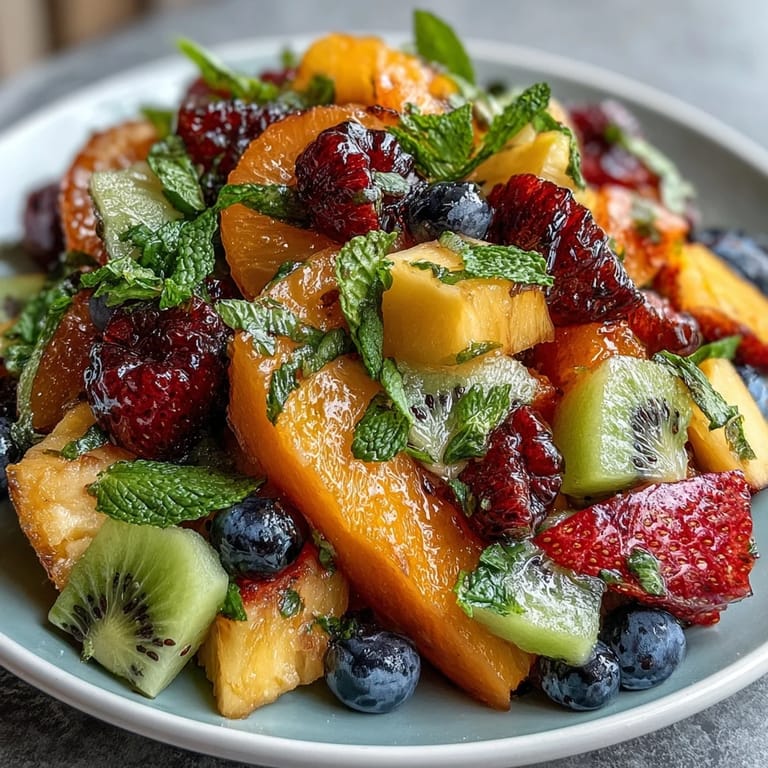
Think of your platter like you're painting—you have warm tones (mango's golden yellow, papaya's peachy pink), cool tones (dragon fruit's hot pink, kiwi's lime green), and neutral jewels (grapes, berries). The arrangement shouldn't feel random; instead, imagine you're creating little pockets of color contrast so your eye travels across the platter and discovers something beautiful every few inches. I learned this the hard way by arranging all the reds together once and creating a boring monochromatic zone—now I deliberately alternate warm and cool tones, which makes the entire display feel alive and intentional.
Timing and Temperature Matter
A chilled platter is a happy platter, and there's nothing worse than biting into a slice of pineapple that's been sitting at room temperature. I always chill my platter in the fridge for at least fifteen minutes before arranging, then keep the finished display covered and cool until the moment I'm ready to serve. The cold intensifies the sweetness of the fruit and makes everything taste fresher—it's a small detail that your guests' taste buds will absolutely notice.
Variations and Seasonality
Here's the beautiful thing about this display: it's endlessly adaptable to whatever's in season and looks good at your market. In fall, I'll add persimmons or pomegranate arils; in winter, I'll include clementine segments or pomelo wedges; in spring, I might add fresh lychees or starfruit. The formula stays the same—create color contrast, alternate textures, build from large centerpiece fruits outward—but the specific cast of characters changes with the seasons. This flexibility means you can make this platter year-round without ever feeling like you're repeating yourself.
- Passion fruit adds a sophisticated tartness and those gorgeous black seeds create visual texture.
- Toasted coconut flakes or edible flowers elevate the entire presentation if you want to go fancy.
- Always taste a tiny piece of any new fruit before committing to the platter so you catch any that aren't quite ripe yet.
 Save
Save Making this platter has taught me that sometimes the most memorable meals aren't the complicated ones—they're the ones where you took time to make something beautiful just because you could. Serve it chilled, with friends around, and watch people light up.
Saffron Brook Recipe Q&As
- → How should the fruits be prepared for the display?
Peel, pit, and slice the mangoes and pineapples, then arrange them with sliced kiwi, papaya, dragon fruit, grapes, strawberries, and blueberries. Alternating colors and shapes enhances visual appeal.
- → What garnishes enhance the fruit display?
Fresh mint leaves and lime wedges add vibrant color and refreshing aroma to the fruit arrangement, elevating its presentation.
- → Can the dipping sauce be adapted for dietary preferences?
Yes, substitute coconut yogurt for a vegan and dairy-free option. Sweeten the dip with honey or agave and add lime zest for a bright flavor.
- → Is cooking required for this dish?
No cooking is needed; the display focuses on fresh, sliced tropical fruits arranged attractively on a platter.
- → How can I customize the fruit selection seasonally?
Swap in passion fruit, star fruit, melon, or other tropical fruits according to availability and preference to keep the display fresh and seasonal.