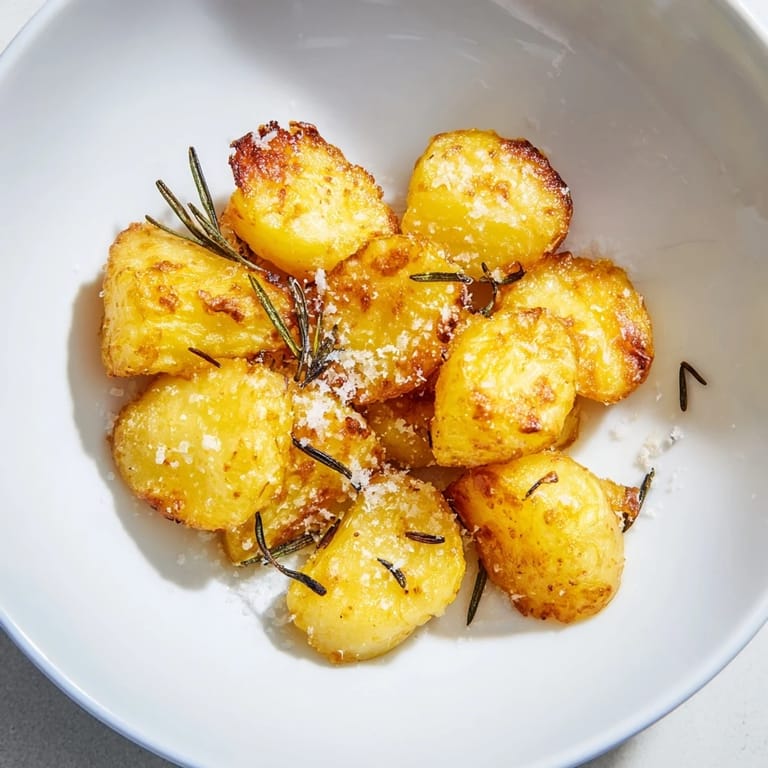
 Save
Save My grandmother kept a tin of beef tallow in her pantry like some people keep fancy olive oil, and it wasn't until I watched her make roast potatoes one Sunday afternoon that I understood why. The way that fat crisped the edges while keeping the insides impossibly fluffy seemed like magic, the kind that only happens when someone's been doing something the same way for fifty years. I tried her method once out of curiosity, and now I can't imagine making them any other way.
I made these for my partner's family dinner last winter, and his mother—who grew up in Yorkshire—literally closed her eyes after the first bite and didn't say anything for a long moment. Then she asked for the recipe, which felt like winning an award I didn't know I was entering. That's when I realized these potatoes weren't just food; they were a conversation, a memory, a small piece of how people connect across time and tables.
Ingredients
- Potatoes: Yukon Gold or Russet potatoes hold their shape during parboiling while developing those fluffy insides; 2-inch chunks cook evenly and maximize surface area for crisping.
- Beef tallow: This rendered beef fat is the secret—it has a higher smoke point than butter and creates a richness that store-bought fat can't replicate, though duck fat works beautifully as a substitute.
- Kosher salt: 1 1/2 teaspoons plus more to taste seasons the potatoes deeply and helps draw out moisture for extra crispiness.
- Black pepper: Freshly ground pepper adds subtle heat that complements the savory tallow without overwhelming.
- Rosemary or thyme: These herbs are optional but worth adding if you have them fresh; they infuse the tallow with aromatic flavor that lingers on each bite.
- Garlic: Smashed cloves release their oil into the tallow, creating an infusion that flavors every potato without leaving harsh bits behind.
Tired of Takeout? 🥡
Get 10 meals you can make faster than delivery arrives. Seriously.
One email. No spam. Unsubscribe anytime.
Instructions
- Heat your oven and sheet:
- Preheat to 425°F and let a rimmed baking sheet sit in there while you prep. A screaming-hot surface is what transforms the potatoes from soft to shatteringly crisp in minutes.
- Parboil the potatoes:
- Cut your potatoes into 2-inch chunks and drop them into cold salted water, then bring to a boil and simmer for 8–10 minutes until just the edges are tender. This head start means the insides cook perfectly while the outsides get their chance to brown.
- Roughen those edges:
- Drain thoroughly and toss the potatoes gently in the pot—you want to break down the edges just slightly so they catch the tallow and turn gloriously crispy. This step sounds small but it makes all the difference.
- Infuse your tallow:
- Melt the beef tallow gently, then add smashed garlic and herbs if you're using them, letting them toast for a minute or two. The aroma will tell you when it's ready—you'll smell something warm and almost nutty, which means your fat is perfectly prepared.
- Coat the hot sheet:
- Carefully pour half the melted tallow onto the preheated baking sheet, tilting to spread it evenly. This layer is your insurance policy against sticking.
- Arrange and season:
- Spread the potatoes in a single layer, drizzle with remaining tallow, and sprinkle generously with salt and pepper. Every piece should glisten.
- Roast and flip:
- After 20 minutes, flip each potato so the other side gets golden too, then roast for another 20–25 minutes until they're deep brown and crispy all over. The smell at this point will be incredibly tempting—resist opening the oven too often or the heat escapes.
- Finish and serve:
- Toss with fresh herbs if you want an extra layer of flavor, then serve immediately while they're still crackling.
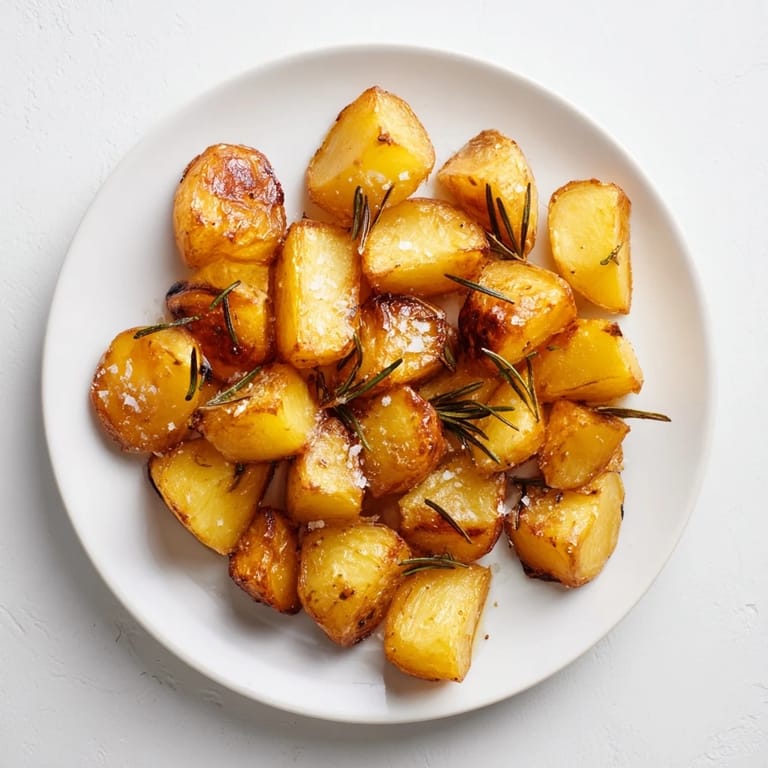 Save
Save The first time I made these without the herb infusion, I wondered if I'd made a mistake, but then someone at the table said the simplicity let the tallow shine, and suddenly that felt intentional instead of lazy. That's when cooking taught me that sometimes the best moments come from restraint, from letting one good ingredient do its job without too much fussing.
The Magic of Tallow
Beef tallow is having a moment in kitchens everywhere, but it's not trendy—it's traditional, the way your great-grandmother's kitchen probably smelled. This fat renders out when you slow-roast beef, and instead of throwing it away, you save it, cool it, and keep it for moments exactly like this. The flavor is savory in a way that feels almost meaty, like the potatoes are absorbing all the richness from years of roasting.
Crispy Edges, Fluffy Centers
The secret to texture is understanding that potatoes are mostly water, and that water needs to escape for crispness to happen. Parboiling softens them so they can finish cooking without turning into hockey pucks, and the rough edges created by gentle shaking catch the tallow and fry up like the best french fries you've ever had. That contrast—the shatter-crunch exterior meeting the pillow-soft interior—is what makes people come back for thirds.
Variations and Swaps
If you can't find beef tallow, duck fat and goose fat are close cousins that'll give you nearly identical results with maybe a slightly different flavor profile. Some people add smoked paprika or chili flakes for heat, fresh thyme for herbaceousness, or even a whisper of garlic powder if they're in a hurry. The foundation is solid enough to play with.
- Duck fat or goose fat creates a slightly lighter result but with equally impressive crispiness and its own savory charm.
- A pinch of smoked paprika adds complexity and a subtle smoky note that pairs beautifully with roast chicken or grilled meats.
- Fresh herbs stirred in at the end keep their bright color and flavor rather than browning during roasting.
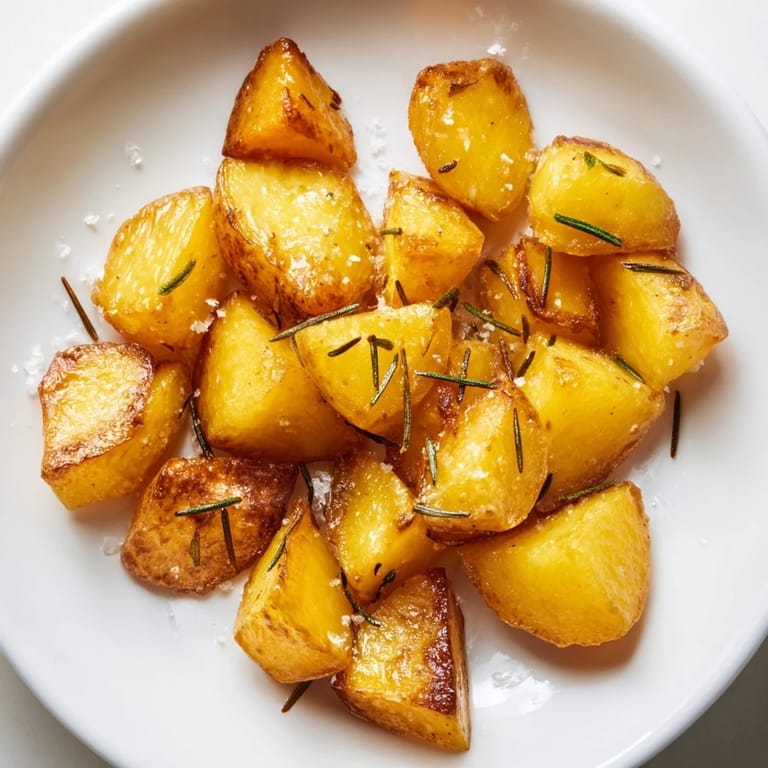 Save
Save These potatoes are worth the small amount of planning they require, the way any good thing usually is. Serve them hot, eat them with your hands if nobody's watching, and notice how a simple side dish can become the thing everyone remembers about dinner.
Saffron Brook Recipe Q&As
- → Why use beef tallow for roasting?
Beef tallow provides a high smoke point and rich, deep flavor that enhances the crispy texture and savory taste of roasted potatoes.
- → How do I get the potatoes extra crispy?
Boil until tender but firm, drain well, and shake to roughen edges before roasting. Air-drying potatoes after draining improves crispiness.
- → Can I substitute beef tallow with other fats?
Yes, duck or goose fat can be used for different flavor profiles while maintaining crisp results.
- → What herbs pair well with roasted potatoes?
Fresh rosemary or thyme add aromatic notes that complement the rich roasted potatoes beautifully.
- → Is garlic necessary for flavor?
Smashed garlic infuses the fat with gentle aroma but can be omitted if preferred.
- → What oven temperature is best for roasting?
Preheating the oven to 425°F (220°C) ensures the potatoes roast quickly to a golden crisp.