 Save
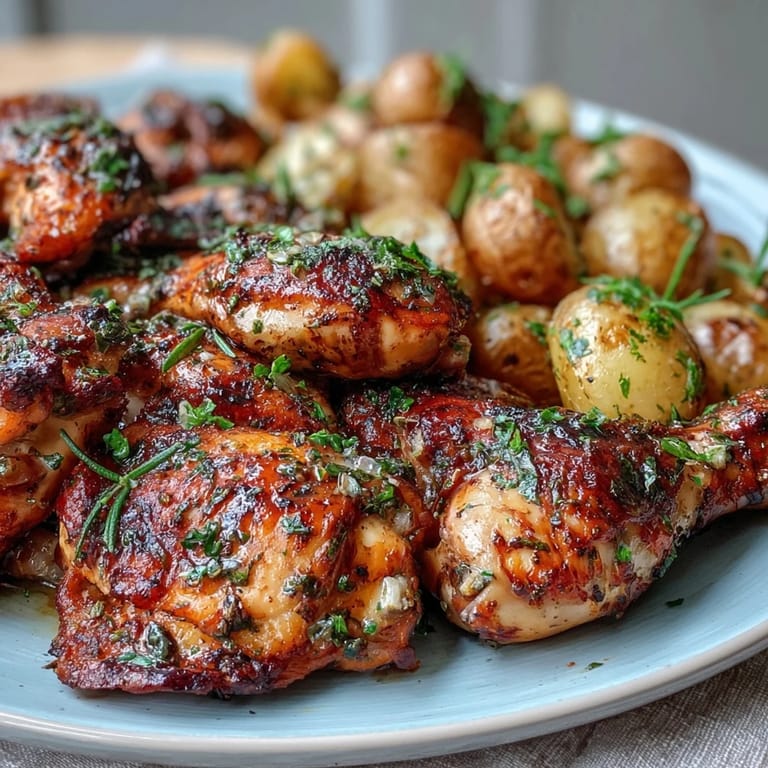
Save There's something about the smell of lemon and rosemary hitting hot chicken skin that makes you feel like you've got your life together in the kitchen. I stumbled into this recipe during an awkward spring dinner party where I'd promised to impress six people with something that didn't scream "I Googled this an hour ago." What saved me was keeping things simple—one bird, fresh herbs I'd actually bought that week, and potatoes that caramelize into little golden treasures. The dish practically cooks itself while you pour wine and pretend you're not nervous.
I'll never forget when my neighbor watched me pull this out of the oven and literally said, "You made that?" before asking for the recipe. That moment made me realize this dish has a kind of quiet confidence—it doesn't try too hard, but it delivers. Since then, I've made it for birthdays, anniversaries, that time I needed to apologize for being flaky, and once just because the potatoes looked particularly good at the farmers market.
Ingredients
- 1 whole chicken (about 4 lbs / 1.8 kg), giblets removed: Room temperature birds roast more evenly—pull yours out 30 minutes before cooking if you remember, though honestly, it still works fine if you don't.
- 3 tbsp olive oil: This is your flavor carrier, so don't skimp on quality here; it makes a noticeable difference in the final taste.
- 2 lemons (1 zested and juiced, 1 sliced): The zest goes into the marinade for brightness, the juice adds acid, and the slices in the cavity perfume the meat from the inside.
- 4 cloves garlic, minced: Mince it finely so it distributes evenly under the skin and doesn't burn in hot spots.
- 2 tbsp fresh rosemary, finely chopped: Fresh is non-negotiable here—dried rosemary tastes like you're cooking a pine tree, and nobody wants that.
- 2 tbsp fresh thyme, finely chopped: The delicate partner to rosemary, lending earthiness without overpowering the lemon.
- 1 tbsp fresh parsley, finely chopped: Adds a clean, vegetal note and a whisper of color to the marinade.
- 1½ tsp sea salt: Sea salt dissolves better into the herb mixture than table salt and tastes less harsh.
- 1 tsp freshly ground black pepper: Grind it fresh—pre-ground pepper loses its bite after sitting in your cabinet.
- 2 lbs (900 g) baby potatoes, halved: Halving them ensures they cook in the same time as the chicken; smaller potatoes cook faster and get crispier exteriors.
- 2 tbsp olive oil (for potatoes): This separate amount keeps the potatoes from getting lost under all that chicken fat.
- 1 tsp sea salt (for potatoes): A lighter hand with salt here since they're cooking alongside the seasoned chicken.
- ½ tsp black pepper (for potatoes): A gentle dusting is all they need.
- 2 tbsp fresh parsley, chopped (for garnish): This final touch of green makes the whole plate look alive.
Tired of Takeout? 🥡
Get 10 meals you can make faster than delivery arrives. Seriously.
One email. No spam. Unsubscribe anytime.
Instructions
- Heat your oven and prepare the bird:
- Set the oven to 425°F (220°C) and let it preheat fully—this matters more than you'd think for getting crispy skin. Pat the chicken completely dry with paper towels, which sounds tedious but is the secret to golden, crackling skin instead of steamed chicken. Place it breast-side up in your roasting pan and you're ready to go.
- Build the herb marinade:
- Whisk together the olive oil, lemon zest, lemon juice, garlic, rosemary, thyme, parsley, salt, and pepper in a small bowl until it looks like a fragrant paste. The oils will help the herbs cling to the chicken, so don't skip the whisking step.
- Massage the chicken with love (literally):
- Rub this mixture all over the chicken—don't be shy about getting under the skin and into the cavity. Your hands will smell incredible for the rest of the day, which is either a blessing or a warning depending on what you do next, but it's worth it for the flavor payoff.
- Tuck lemon slices inside and arrange potatoes:
- Place the lemon slices inside the cavity, then arrange your halved potatoes around the chicken in the pan. Drizzle them with olive oil, season with salt and pepper, and toss everything together so they're evenly coated—this prevents them from drying out.
- Roast until golden and cooked through:
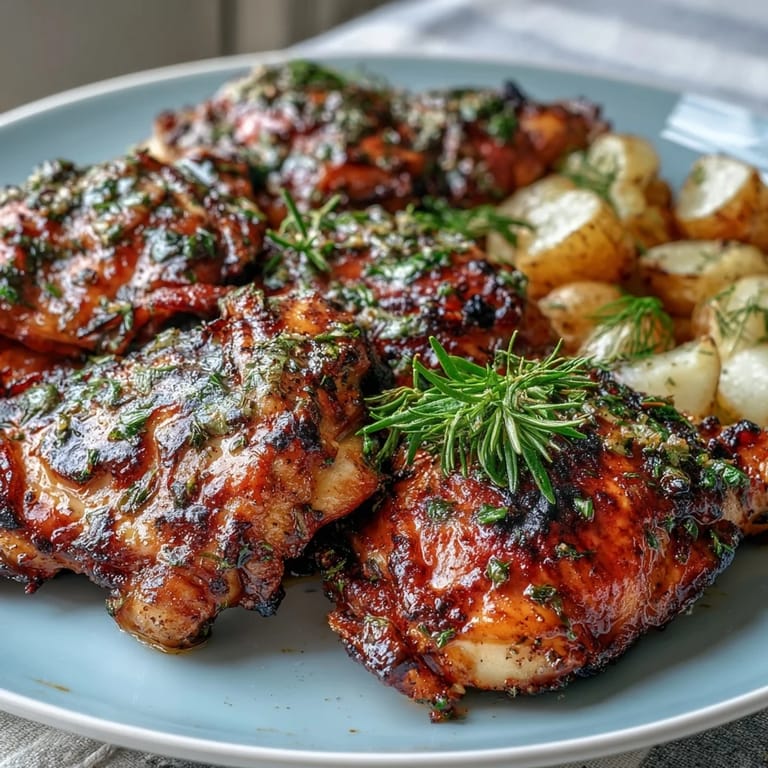
- Slide the pan into the oven for 1 hour and 10–15 minutes, until the chicken's juices run clear when you pierce the thickest part of the thigh and a meat thermometer reads 165°F (74°C). You'll know it's almost done when your kitchen smells absolutely undeniable and the skin turns deep golden.
- Crisp up the potatoes if needed:
- If your potatoes aren't as brown as you'd like when the chicken is done, carefully remove the bird to a cutting board and switch the oven to broil. Return just the potato pan for 5–7 minutes until they're caramelized and golden on the edges.
- Rest and carve:
- Let the chicken rest for 10 minutes—this keeps it from losing all its juices the moment you cut into it, ensuring every bite stays tender and juicy. While it rests, take a breath and congratulate yourself, because you're almost there.
- Finish and serve:
- Scatter the fresh parsley over everything for color and a final brightness, then carve the chicken and pile it onto a platter with those golden potatoes. Your guests are going to lose their minds.
 Save
Save The first time someone asked me for this recipe at a dinner party, I realized it had quietly become the dish I'm known for—not because it's complicated, but because it's reliable and it tastes like someone cared. There's something powerful about that.
Why Fresh Herbs Actually Matter Here
I know dried herbs are cheaper and they won't wilt in your fridge, but this recipe lives or dies by fresh herbs. Dried rosemary and thyme turn bitter and harsh when they're the main flavor players, whereas fresh herbs stay bright and clean no matter what you do to them. If you can only find dried herbs, cut the amounts by two-thirds and add them later in the cooking process so they don't burn and taste like a medicine cabinet. Fresh parsley at the end is non-negotiable—it's what makes the whole plate look intentional instead of accidental.
Timing and Temperature Tricks
An instant-read meat thermometer is your safety net here because chicken skin darkens at a completely different rate than the meat cooks through. I've pulled out plenty of golden-skinned chickens that were still raw inside because I wasn't paying attention, so now I always check the temperature before I trust my eyes. The thickest part of the thigh should always hit 165°F (74°C)—that's your target every single time, no exceptions.
Making It Your Own
This recipe is flexible enough to bend to what you have on hand and what you're craving. In summer, I add halved zucchini or thick asparagus spears around the chicken, and in fall, I throw in cubed butternut squash or baby carrots for earthiness. You could also swap the potatoes entirely for root vegetables, or keep it minimal and just roast with lemon and herbs if you're feeding people who are particular about their sides.
- Marinating overnight deepens the flavor: If you have time, toss the chicken in the marinade the night before—just keep it covered in the fridge and pull it out 20 minutes before cooking.
- Wine pairing makes the whole meal feel complete: A crisp Sauvignon Blanc or buttery Chardonnay is your friend here, cutting through the richness and complementing the lemon and herbs perfectly.
- Leftover chicken makes incredible sandwiches and salads: If somehow you have leftovers, shred it and use it for everything from grain bowls to paninis—though between you and me, there are rarely leftovers.
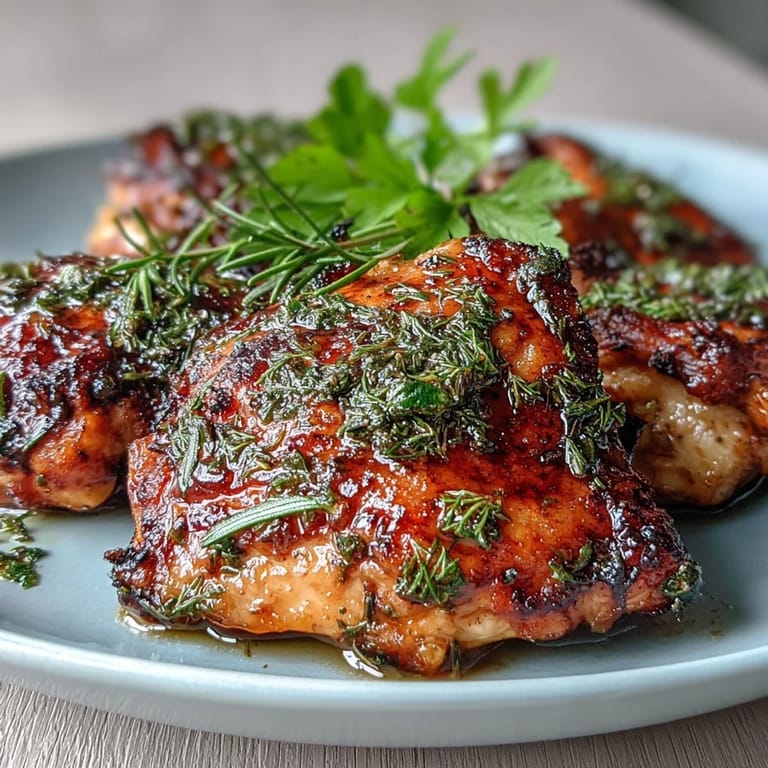 Save
Save This chicken has become my go-to when I want to feel capable in the kitchen and feed people something they'll actually remember. There's real joy in that simplicity.
Saffron Brook Recipe Q&As
- → How do you ensure the chicken stays juicy?
Marinate the chicken in the lemon-herb mixture and pat dry before roasting. Resting it after cooking allows juices to redistribute evenly.
- → What temperature is best for roasting this chicken?
Roast at 425°F (220°C) for about 1 hour and 10-15 minutes until the internal temperature reaches 165°F (74°C).
- → Can other potatoes be used instead of baby potatoes?
Yes, fingerlings or small Yukon Gold potatoes make great substitutes, providing a similar texture and roasting time.
- → How do the lemon slices contribute to the dish?
Placing lemon slices inside the cavity infuses the meat with subtle citrus aroma during roasting, enhancing overall flavor.
- → What herbs complement the lemon flavor in this dish?
Rosemary, thyme, and parsley add fresh, earthy, and slightly piney notes that balance the brightness of the lemon.