 Save
Save My first frikadeller came from a Copenhagen kitchen on a gray November afternoon, when my friend's mother pressed a warm one into my hand straight from the pan, its edges still crackling. She didn't fuss or explain—just handed it over with a small smile, and I bit into something that tasted like comfort wrapped in golden crust. That moment taught me that some of the best food doesn't announce itself; it just slides quietly into your life and stays there. Now I make these whenever I want to recreate that feeling of being fed by someone who knows exactly what you need.
I served these to my neighbor last winter when she brought soup over during a rough week, and watching her face light up at the first bite reminded me why food matters so much. She came back three days later asking for the recipe, and that conversation—just two people talking about how we feed ourselves and the people we care about—became its own kind of nourishment. Frikadeller have that power; they're humble enough to share but satisfying enough to feel like a gift.
Ingredients
- Ground pork (500 g): The heart of the recipe—use freshly ground if you can, as it binds better and tastes noticeably sweeter than pre-packaged versions that have been sitting around.
- Small onion, finely grated: Grating rather than mincing releases the onion's moisture and sweetness, which keeps the meatballs tender and adds depth without any harsh bite.
- Egg (1): This acts as both binder and moisture provider, helping the breadcrumbs absorb liquid evenly so your meatballs stay juicy inside.
- Whole milk (100 ml): Don't skip this or substitute it with water; the milk creates a silky crumb that makes these distinctly different from Italian meatballs.
- Breadcrumbs (60 g): Use panko or freshly made crumbs if possible—they absorb liquid more gently and keep the texture open and light rather than dense and heavy.
- Salt (1 tsp) and ground black pepper (½ tsp): These aren't just seasoning; they're the foundation that lets the pork's natural flavor sing.
- Ground allspice (½ tsp, optional): This is the secret Danish touch that makes people ask what you did differently—it adds warmth and a gentle spice note that feels almost mysterious.
- Unsalted butter and neutral oil: The combination of both gives you the richness of butter without the burning risk of using butter alone at medium heat.
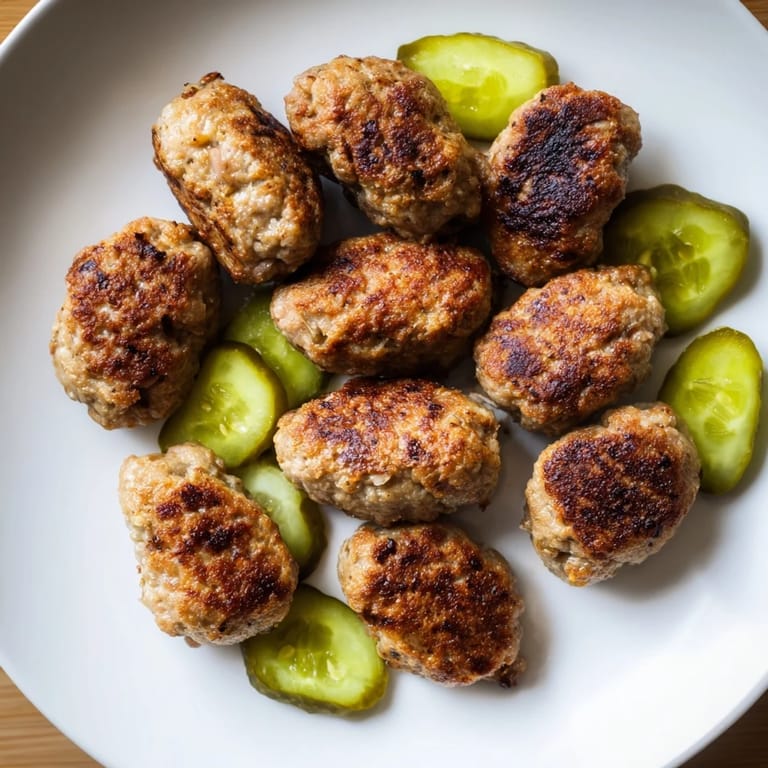
- Danish pickles, rye bread, or boiled potatoes for serving: These aren't sides; they're essential partners that balance the richness and add the sharp, cool contrast that makes frikadeller complete.
Tired of Takeout? 🥡
Get 10 meals you can make faster than delivery arrives. Seriously.
One email. No spam. Unsubscribe anytime.
Instructions
- Combine your mixture:
- In a large bowl, bring together the pork, grated onion, egg, milk, breadcrumbs, salt, pepper, and allspice if using, stirring until everything is evenly distributed and the mixture looks slightly sticky and cohesive. Don't overmix—you're looking for things just combined, not worked into submission.
- Let it rest:
- Let the mixture sit undisturbed for 10 minutes; this pause lets the breadcrumbs drink in the milk, making your finished meatballs tender and impossible to dry out. This is one of those moments where patience actually changes everything.
- Shape with wet hands:
- Wet your hands so the mixture doesn't stick, then gently form it into oval or round balls about the size of a golf ball—you should get around 12 to 14 pieces. Keep them uniform so they cook at the same rate.
- Heat your pan:
- Put butter and oil in a large skillet over medium heat and let them warm until the butter foams gently—you'll know it's ready when a small piece of the mixture sizzles immediately on contact. This is not a time for high heat; medium is your friend.
- Fry in batches:
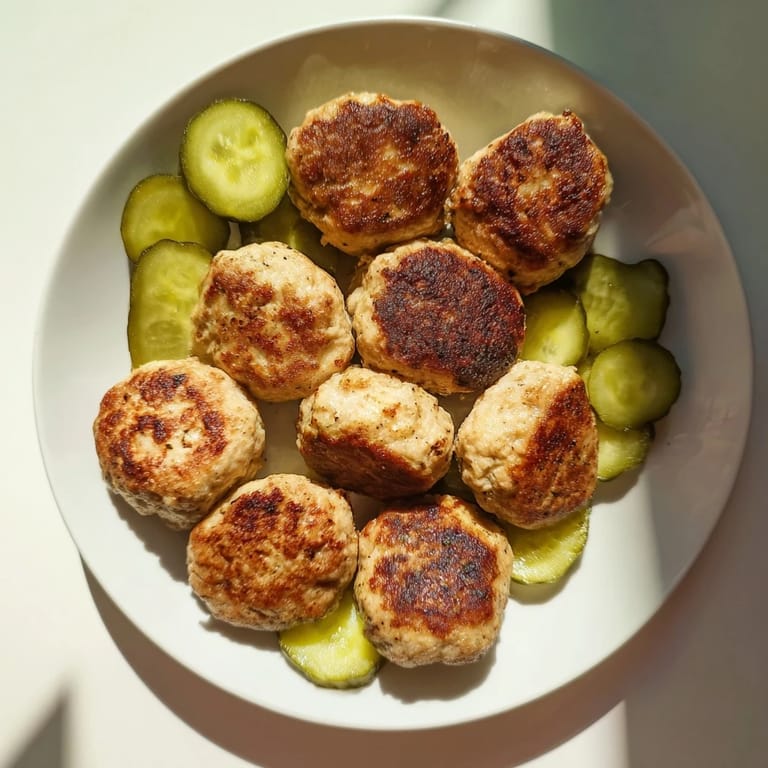
- Working in batches so the pan doesn't overcrowd, place the meatballs in the hot fat and gently flatten them slightly with a spatula to create more surface area for browning. Fry for 4 to 5 minutes per side until they're a deep golden brown and cooked through, resisting the urge to move them around constantly.
- Rest briefly:
- Transfer the finished frikadeller to a plate lined with paper towels to absorb any excess fat, which keeps them from becoming greasy as they cool slightly.
- Serve while warm:
- Arrange them on a plate with pickles alongside and rye bread or potatoes if you're using them, and eat them while they're still warm enough to feel comforting in your hands.
 Save
Save The first time I made these alone in my own kitchen, I didn't have any pickles on hand, so I grabbed whatever sour vegetables I could find and served them alongside anyway. My roommate came home to the smell, tried one, and wordlessly made himself a plate—and in that quiet moment of approval, I understood why these simple meatballs have been showing up at Danish tables for generations. They're not fancy, but they're honest, and sometimes that's the highest compliment a dish can get.
Why Pickles Are the Point
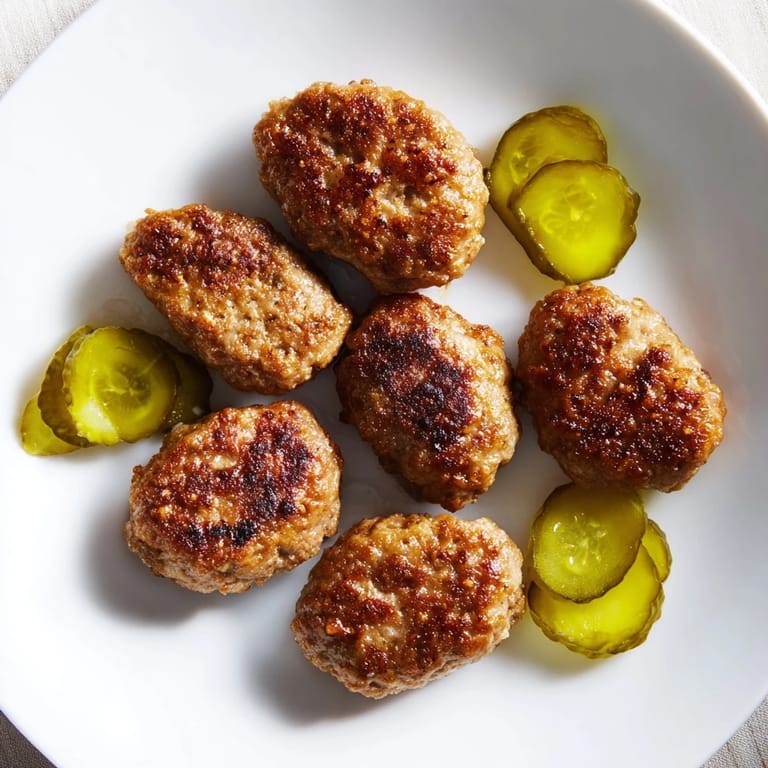
These meatballs are rich, savory, and deeply satisfying on their own, but they need something sharp and cool to complete the picture, which is exactly where the pickles come in. The acidity cuts through the butter and meat fat, refreshing your palate so you can taste each bite fully rather than getting overwhelmed by richness. A traditional Danish spread might include pickled cucumber, beets, or even red onions—choose whatever calls to you, but don't skip this element because it's what transforms a simple dinner into something balanced and crave-worthy.
The Science of Texture
The milk and breadcrumb combination is what makes frikadeller so distinctly tender compared to other meatball styles, because the breadcrumbs work like a sponge that holds moisture throughout cooking. This means your finished meatballs can sit for a few minutes without drying out—a luxury that makes them perfect for dinner parties because you can fry them ahead and reheat gently without ruining them. The flattening step during frying isn't just about browning; it increases the surface area so you get more of that golden crust while the interior stays juicy and yielding.
Making Them Your Own
The basic recipe is forgiving enough that you can play with it once you've made it a few times and understand how it works. Some people add a spoonful of horseradish for heat, others mix in fresh herbs like parsley or dill, and a few bold cooks I know have experimented with finely minced mushrooms or crispy bacon folded in. The allspice is authentically Danish, but if you don't have it on hand, a tiny pinch of nutmeg or even a breath of cardamom will give you that warm spice note without changing the dish fundamentally.
- Try mixing half pork and half ground veal for a lighter, more delicate flavor that feels almost luxurious.
- If you're serving them for a crowd, you can fry them several hours ahead and warm them gently in a low oven just before serving.
- Leftover frikadeller make shockingly good sandwiches on rye bread with mustard and pickles, so don't feel obligated to finish them all the same night.
 Save
Save There's something deeply satisfying about making something that tastes like it belongs in someone's beloved kitchen, and frikadeller have that quality built into them. Once you've made a batch, you'll understand why they've shown up at Danish tables for so long—they're easy enough for a weeknight but special enough to serve when you want to show someone you care.
Saffron Brook Recipe Q&As
- → What type of meat is used for Danish frikadeller?
Ground pork is traditionally used, though a mix of pork and veal can be substituted for a lighter texture.
- → How do I achieve golden brown meatballs?
Fry the shaped meatballs in a mixture of butter and neutral oil over medium heat, turning after 4–5 minutes to brown evenly on both sides.
- → Can I prepare the meat mixture in advance?
Yes, the mixture can be prepared and rested for 10 minutes to ensure the breadcrumbs absorb moisture, improving texture.
- → What sides pair well with Danish pork meatballs?
Traditional accompaniments include tangy pickles, rye bread, boiled potatoes, creamy potato salad, or red cabbage.
- → Are there common allergens to watch for?
This dish contains egg, gluten from breadcrumbs, and milk from the added dairy; check accompanying pickles and bread if store-bought.