 Save
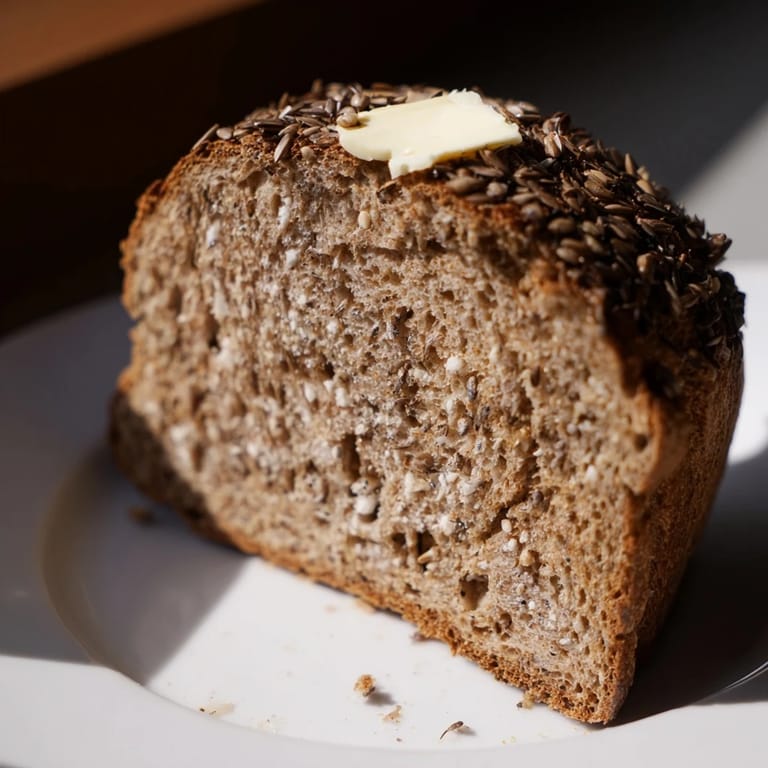
Save I discovered Estonian leib while browsing through a dusty cookbook at a flea market, and something about the grainy photograph of that dark, aromatic loaf pulled me in. The first time I baked it, my kitchen filled with this incredible malty sweetness mixed with the earthy sharpness of caraway—my partner wandered in asking what smelled like a Baltic dream. That moment of opening the oven to find a glossy, deep brown crust that crackled under my finger told me I'd found something special, something that tasted like a completely different corner of the world.
My neighbor knocked on my door while this was cooling, drawn by the smell, and I watched her tear into a still-warm slice with salted butter. She closed her eyes for a second, and that's when I realized why Estonians have been making this bread for centuries—it's not just sustenance, it's a quiet moment of comfort that happens to taste incredible.
Ingredients
- Active rye sourdough starter (100 g): This is your living culture, and it needs to be bubbly and active before you use it—if it's sluggish, give it a few hours at room temperature to wake up.
- Dark rye flour (400 g): The backbone of the bread, giving you that deep color and earthy flavor that light flour simply can't match.
- Bread flour (100 g): A small amount of wheat flour helps the dough hold structure without making it too heavy.
- Lukewarm water (300 ml): Cold water will slow fermentation, hot water will kill your starter, so aim for that comfortable bath temperature.
- Dark rye malt or barley malt powder (50 g): This adds sweetness and a toasty depth that sets this bread apart—don't skip it or substitute it lightly.
- Molasses or dark honey (2 tbsp): The molasses adds color and a subtle richness; honey works but gives a slightly different character.
- Caraway seeds (1 tbsp): Toast these first if you want them to sing, or use them raw if you prefer a softer background flavor.
- Fine sea salt (2 tsp): This controls fermentation speed and strengthens the gluten structure.
Tired of Takeout? 🥡
Get 10 meals you can make faster than delivery arrives. Seriously.
One email. No spam. Unsubscribe anytime.
Instructions
- Wake and mix your base:
- Combine your starter, water, and molasses in a large bowl, watching as the molasses swirls into the liquid like dark ribbons. Stir until everything is incorporated, and you've got a loose, glossy mixture ready for the flours.
- Bring the dough together:
- Add your flours, malt, caraway seeds, and salt all at once, then mix with a wooden spoon until you've got a thick, shaggy dough that's a bit sticky to the touch. This isn't a smooth dough—it's supposed to feel loose and almost reluctant to hold shape.
- Let time do the work:
- Cover your bowl with a damp cloth and leave it on the counter for 10–12 hours, or overnight. You'll watch it slowly expand, small bubbles rising to the surface as the starter ferments the whole mass into something alive and airy.
- Shape and proof:
- Line a loaf pan with parchment paper, then scrape your dough into it with a wet spatula—wet hands and tools are your friends here, as the dough sticks to itself more than to you. Smooth the top gently, sprinkle extra caraway seeds if you like, then cover and let it rise for another 2–4 hours until it's almost at the rim of the pan.
- Steam and bake:
- Preheat your oven to 220°C with a pan of hot water on the bottom rack to create steam—this helps the crust develop that beautiful deep color and crackling texture. Bake for 15 minutes at the high temperature, then drop the heat to 190°C and continue for 30 minutes more until the crust is dark mahogany and the loaf sounds hollow when you tap it on the bottom.
- Cool completely:
- Resist the urge to slice into it while it's still warm—the interior needs 30 minutes or so to set and finish cooking in its own residual heat. Once it's completely cool, that's when you'll get clean slices instead of a gummy crumb.
 Save
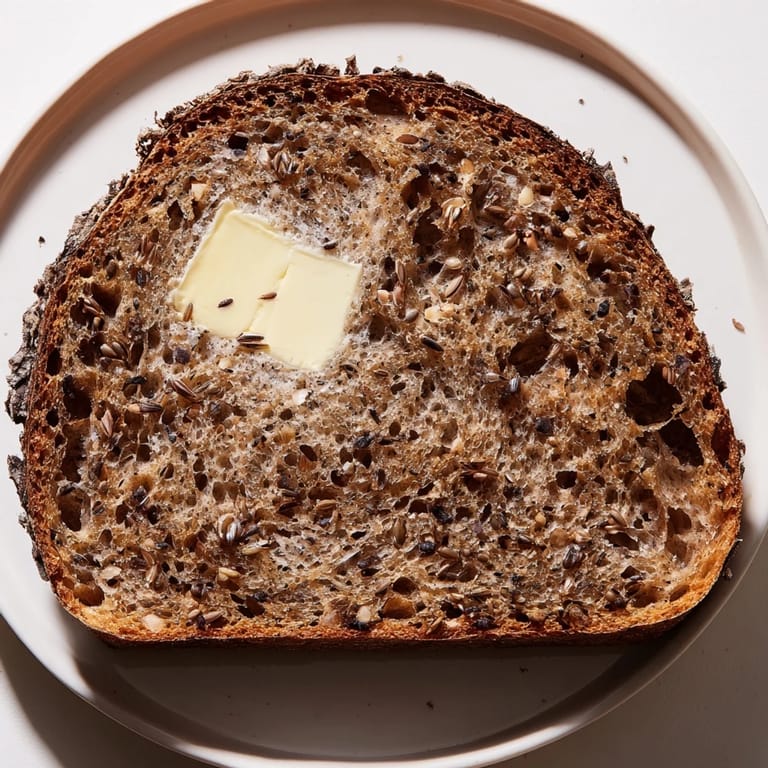
Save There's something almost spiritual about slicing into a completely cooled loaf, feeling that subtle give of the dense crumb, and knowing you've created something that will still taste wonderful three days from now. This bread becomes a centerpiece, not a side dish.
Why the Long Fermentation Matters
The overnight rise isn't laziness—it's the secret to flavor. While the starter slowly works through the rye flour, it develops acids and compounds that give the bread that deep, slightly tangy taste you can't rush. This bread tastes better on day two than day one, making it one of the few recipes where patience literally improves the final product.
The Magic of Malt and Molasses
When I first made this without the malt, thinking molasses alone would be enough, the bread tasted flat and one-dimensional. Adding that rye malt back in brought a subtle sweetness and toastiness that makes the whole loaf sing—it's not a flavor you'd identify if someone handed you a slice blind, but it's absolutely what you'd notice if it was missing. The two together create a depth that makes this feel more like comfort food than just bread.
Serving and Storage Secrets
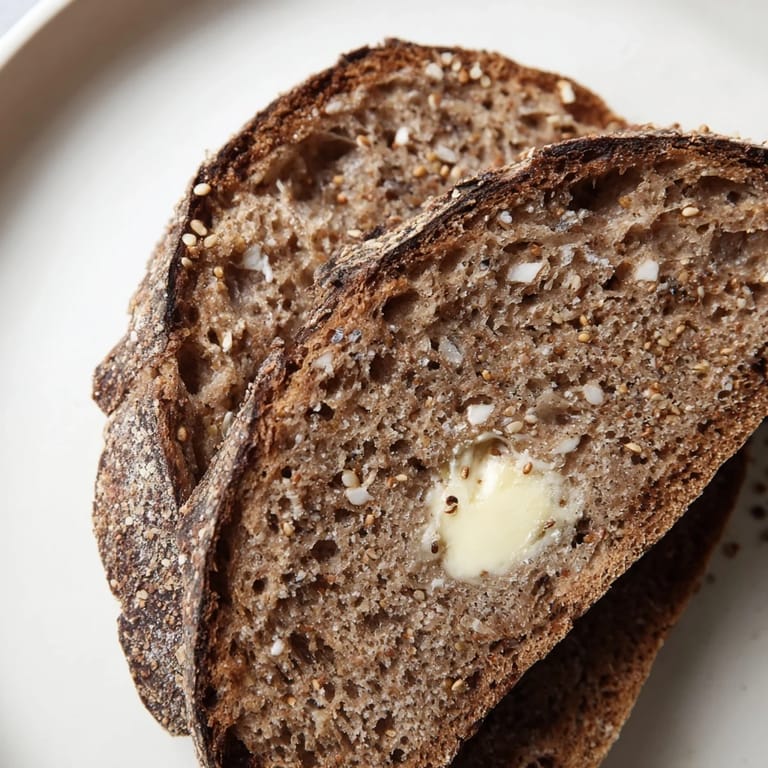
This bread is at its absolute best sliced thick, topped with salted butter, or alongside smoked salmon and thin slices of aged cheese. It keeps wrapped in a kitchen towel for up to a week, and honestly gets better as it dries out slightly—the texture becomes more interesting and the flavors intensify.
- Wrap the cooled loaf in a clean linen towel and store at room temperature to keep the crust intact.
- If you want to refresh it after a few days, a quick 10-minute steam in a hot oven brings back the softness.
- Slice with a serrated knife using a gentle sawing motion to avoid compressing the crumb.
 Save
Save Making Estonian leib is less about following steps and more about understanding a rhythm—mixing, waiting, watching, baking, cooling. Once you've made it once, you'll understand why people have been baking this same bread for generations.
Saffron Brook Recipe Q&As
- → What makes this bread distinctively Estonian?
The use of dark rye flour, malt powder, and caraway seeds creates the traditional flavors typical of Estonian sourdough breads.
- → Why add malt to the dough?
Malt enhances the bread’s taste, sweetness, and crust color, contributing to a richer aroma and darker loaf.
- → How does the long rising time affect flavor?
Extended fermentation allows natural sourdough cultures to develop deeper, complex flavors and improves the bread’s texture.
- → What is the purpose of adding caraway seeds?
Caraway seeds provide a slightly spicy, aromatic note that complements the rye’s earthiness and malt’s sweetness.
- → How should the loaf be baked for best results?
Starting at a higher temperature with steam helps develop a crisp crust, then reducing heat ensures the interior bakes fully without drying out.
- → Can the molasses quantity be adjusted?
Yes, increasing molasses adds sweetness and deepens the bread’s color, but balance with sourdough flavor is key.