 Save
Save The first time I made pumpkin mac and cheese, it was totally by accident. I'd been stirring a pot of autumn soup when a friend asked what I was doing for dinner, and suddenly I was thinking about pumpkin in places it doesn't traditionally go. That evening, I dumped some canned pumpkin into a roux almost on impulse, watched the color deepen to this gorgeous burnt orange, and realized I'd stumbled onto something that tasted like comfort wrapped in a sweater. Now it's the dish I reach for when the weather turns cool and I want something that feels both familiar and surprising.
I made this for my partner on the first genuinely cold evening of October, and watching their face light up when they tasted it told me everything I needed to know. They'd been skeptical about pumpkin in mac and cheese until that spoonful hit their tongue, and then they were quiet for a minute in that special way people are when they're genuinely surprised by food. We ended up eating it straight from the pot while sitting on the kitchen counter, completely forgetting about proper plating.
Ingredients
- Elbow macaroni or small pasta shells (340 g / 12 oz): These shapes hold onto the sauce beautifully, trapping little pockets of creamy goodness in every bite, so skip the long noodles here.
- Unsalted butter (2 tablespoons): You want control over the salt, and butter is the foundation for a roux that won't taste floury or thin.
- All-purpose flour (2 tablespoons): This thickens your sauce without lumps, but whisk it constantly in the butter or you'll end up with little clumps that no amount of stirring will fix.
- Whole milk (480 ml / 2 cups): The fuller the fat content, the more luxurious everything tastes, so don't reach for skim here.
- Sharp cheddar cheese, shredded (200 g / 2 cups): Sharp is the move because mild will disappear into the pumpkin, and you want that tangy bite to anchor the sweetness.
- Unsweetened pumpkin puree (120 g / ½ cup): This is non-negotiable—canned is perfectly fine, but check the label to make sure it says puree and not pie filling, which has added sugar.
- Grated Parmesan cheese (30 g / ¼ cup): This brings a salty, nutty depth that makes the whole sauce taste more sophisticated than it has any right to.
- Salt (½ teaspoon), black pepper (¼ teaspoon), ground nutmeg (¼ teaspoon), and smoked paprika (¼ teaspoon, optional): These spices whisper rather than shout, but together they're what make people ask what's in this because something feels different and wonderful.
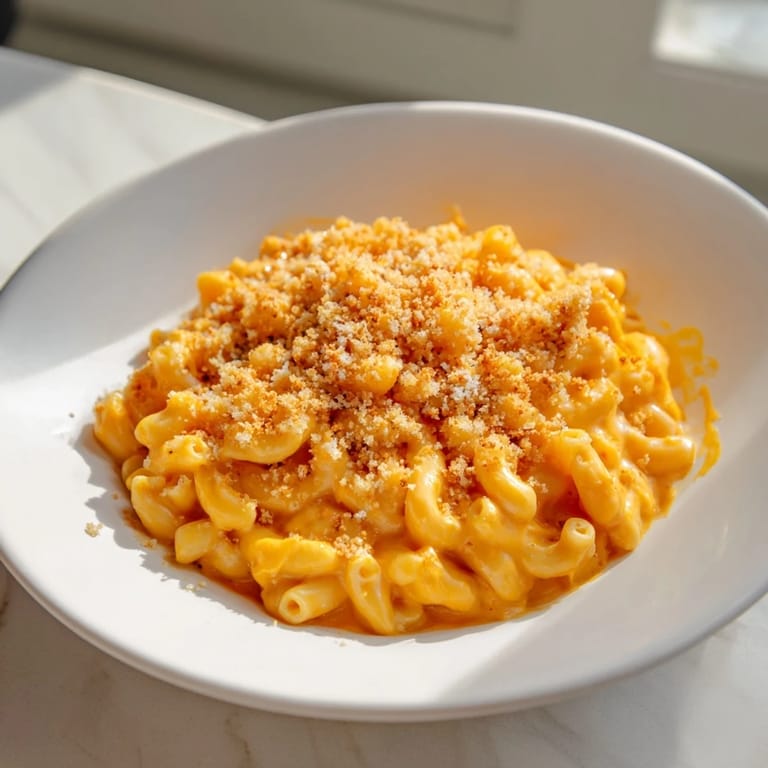
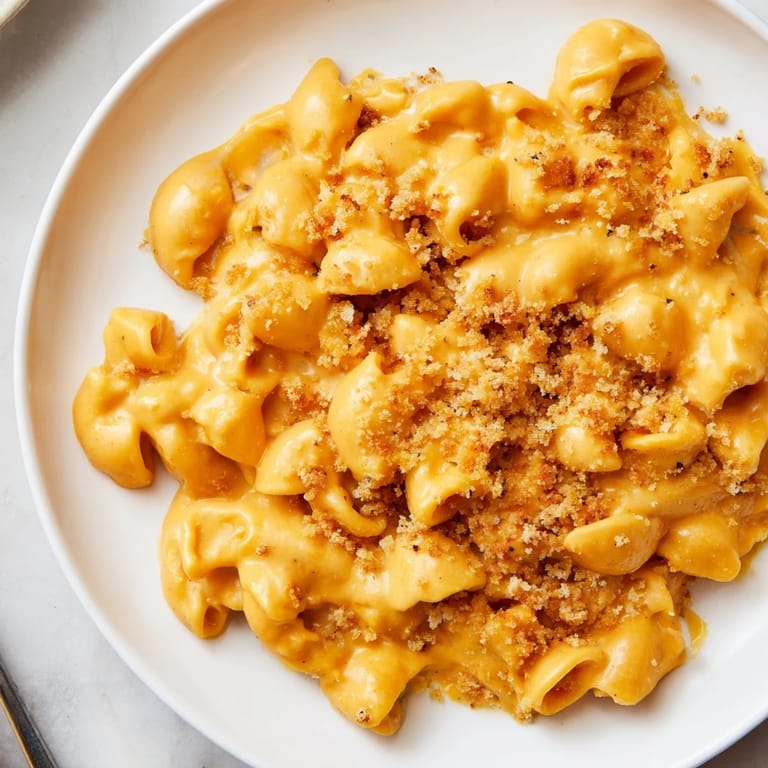
- Panko breadcrumbs (30 g / ¼ cup) and melted butter (1 tablespoon) for topping: This is optional, but that golden crust transforms it from stovetop comfort into something you'd serve at a dinner party.
Tired of Takeout? 🥡
Get 10 meals you can make faster than delivery arrives. Seriously.
One email. No spam. Unsubscribe anytime.
Instructions
- Get your oven ready and your pasta started:
- If you're going for that crispy-topped version, preheat your oven to 190°C (375°F) now so it's ready when you need it. In a large pot of salted boiling water, cook your pasta until it's just al dente—a tiny bit of resistance when you bite it—then drain it and step back, because this is your jumping-off point.
- Make a roux, which is just butter and flour having a conversation:
- In a saucepan over medium heat, let the butter melt and get foamy, then add the flour all at once and whisk like you mean it for a full minute or two—you're cooking out the raw flour flavor, not just coating everything. The mixture should smell a little toasted when you're done, not like the bottom of a flour bag.
- Introduce the milk slowly, like you're coaxing a shy friend into a conversation:
- Pour it in gradually while whisking, because dumping it all in at once is how you get lumps, and lumps mean sadness. Keep stirring for about 3 to 4 minutes until the sauce thickens enough that it coats the back of a spoon.
- Lower the heat and bring in all the flavor at once:
- Add the cheddar, Parmesan, pumpkin puree, salt, pepper, nutmeg, and smoked paprika—if you're using it—and stir until everything melts together into something that smells like autumn decided to live in a pot. The pumpkin will swirl in orange ribbons at first, but keep stirring and it'll become this gorgeous unified color.
- Marry the pasta and sauce:
- Toss the drained pasta into the sauce and stir until every piece is coated and glistening. This is where the magic happens—that moment when it goes from two separate things into one unified dish.
- If you want that crust, finish it in the oven:
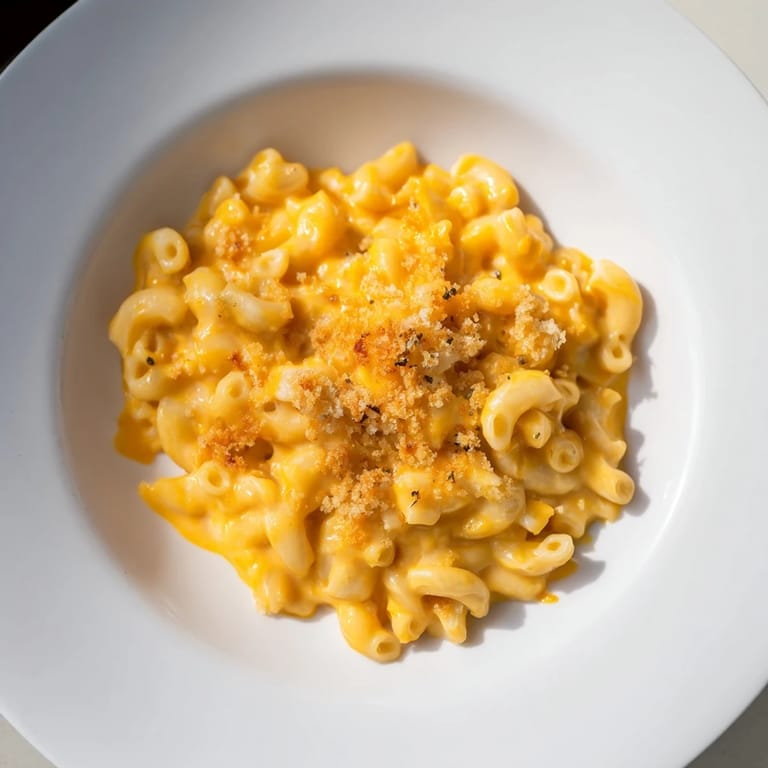
- Transfer everything to a greased baking dish, mix the panko with melted butter, sprinkle it over the top, and bake for 10 to 15 minutes until it's golden and the whole thing is bubbling at the edges like it's about to overflow with deliciousness. If you're skipping the bake, just serve it hot straight from the pot.
 Save
Save There's a moment right when the pumpkin first hits the sauce—when the color shifts and the smell changes into something you didn't expect—where this dish stops being a recipe and becomes an experience. That's when I know I've gotten it right, and that's when food becomes more than just fuel; it becomes a small act of care.
Why Pumpkin Works Here
Pumpkin has this quiet richness that people don't always think about outside of desserts, but in a cheese sauce it's revelatory. The sweetness is barely there—just enough to round out the sharp cheddar—while the earthiness adds depth that makes the whole thing taste more complex and intentional. It's not trying to be spiced or fancy; it's just there, making everything taste more like itself, if that makes sense. This is why it works better than you'd expect and why people keep asking for the recipe.
Stovetop versus Baked
You don't need the oven version, honestly. The stovetop version is creamy and perfect as it is, ready to eat in under half an hour. But if you have the time and you want something that feels more special—maybe you're feeding people, maybe you just want that crust—the baking transforms it into something that looks intentional, with that golden panko top contrasting against the creamy filling underneath. I make it stovetop on weeknights and baked on Sundays, and they're different enough that both have their place.
Variations That Actually Work
This recipe is forgiving enough to play with, which is one of my favorite things about it. Cooked bacon gets shredded into it sometimes, and suddenly it's almost decadent. Sautéed spinach or kale disappears into the sauce and makes you feel virtuous while you're eating something this creamy. I've swapped half the sharp cheddar for Gruyère before, and it became something richer and more complex, like the recipe grew up. The beauty of it is that none of these additions fight with the pumpkin—they all seem to understand each other.
- Sautéed garlic or shallots in the butter before you add the flour will add savory depth without overwhelming anything else.
- A tiny pinch of cayenne or white pepper underneath all the other spices can brighten everything up if the sauce feels too heavy.
- Crispy sage leaves sprinkled on top right before eating add a flavor note that somehow makes the whole thing taste more like fall.
 Save
Save This dish has become my comfort in a bowl, the thing I make when the days get shorter and I need something that tastes like someone's been in the kitchen thinking about me. It's never fancy, but it's always enough.
Saffron Brook Recipe Q&As
- → What type of pasta works best?
Elbow macaroni or small pasta shells hold the sauce well and cook evenly for a creamy texture.
- → How is the pumpkin incorporated?
Pumpkin puree is added to the cheese sauce, blending smoothly with melted cheddar for a rich, autumnal flavor.
- → Can I bake the dish with a topping?
Yes, mixing panko breadcrumbs with melted butter and baking atop the mac and cheese adds a golden, crunchy finish.
- → Are there seasoning tips?
Nutmeg, black pepper, and smoked paprika enhance the warmth and depth of the sauce without overpowering the pumpkin and cheese.
- → What variations can I try?
Adding sautéed greens or swapping cheddar for Gruyère or fontina offers new flavor dimensions, while low-fat dairy can lighten the dish.