 Save
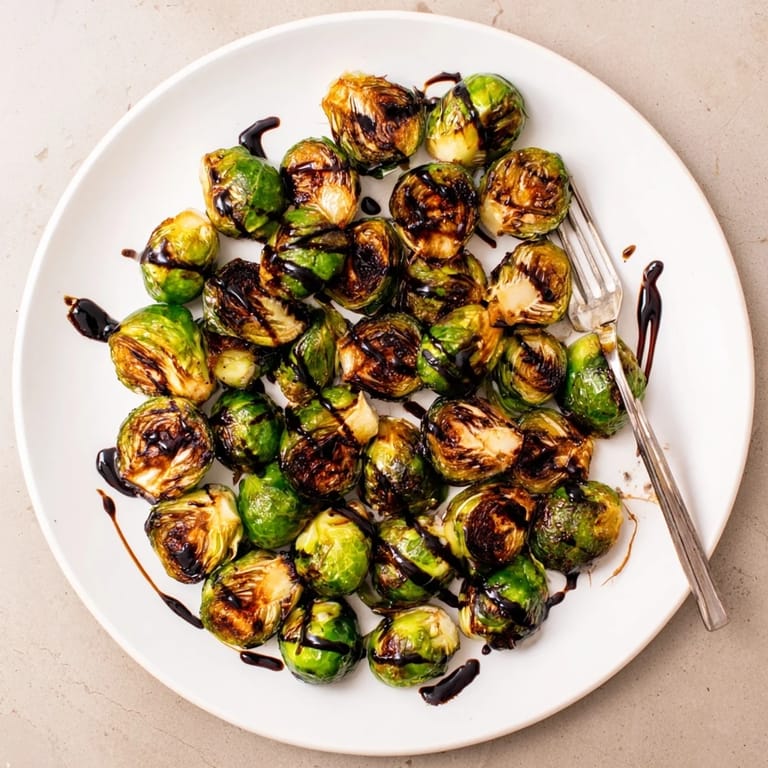
Save Last Thanksgiving, my sister who swore she hated Brussels sprouts reached across the table and asked for seconds. That never happens. The secret was that balsamic drizzle cutting through all that caramelized bitterness, turning what people think they hate into something they cant stop eating.
I learned this technique the hard way after years of boiling Brussels sprouts into sad little cabbage balls. Then I watched a chef toss them in oil and roast them cut side down until they practically begged to be eaten. Now its the one vegetable dish that disappears first at every dinner party.
Ingredients
- Brussels sprouts: Fresh and firm with tight heads, trimmed and halved so they lay flat for maximum contact with the hot pan
- Olive oil: Helps conduct that high heat and promotes even browning on all those cut surfaces
- Kosher salt: Coarse salt sticks better than table salt and draws out moisture for better caramelization
- Freshly ground black pepper: Adds a sharp contrast to the sweet balsamic finish
- Balsamic vinegar: Reduces into a thick glaze that balances the natural bitterness with tangy sweetness
- Honey: Optional but helps the reduction achieve that perfect syrupy consistency and adds subtle floral sweetness
Tired of Takeout? 🥡
Get 10 meals you can make faster than delivery arrives. Seriously.
One email. No spam. Unsubscribe anytime.
Instructions
- Get your oven hot and ready:
- Preheat to 425°F with a rack in the middle position and line a baking sheet with parchment for easy cleanup later.
- Coat the sprouts thoroughly:
- toss them in a large bowl with olive oil salt and pepper until every piece glistening and well seasoned.
- Arrange for maximum caramelization:
- Spread the sprouts cut side down in a single layer without crowding the pan too much or theyll steam instead of roast.
- Roast until golden and crispy:
- Cook for 20 to 25 minutes shaking the pan halfway through until the cut sides are deeply browned and the edges are crispy.
- Make the balsamic glaze:
- While the sprouts roast simmer the balsamic vinegar and honey in a small saucepan over medium heat until reduced by half and syrupy.
- Finish and serve immediately:
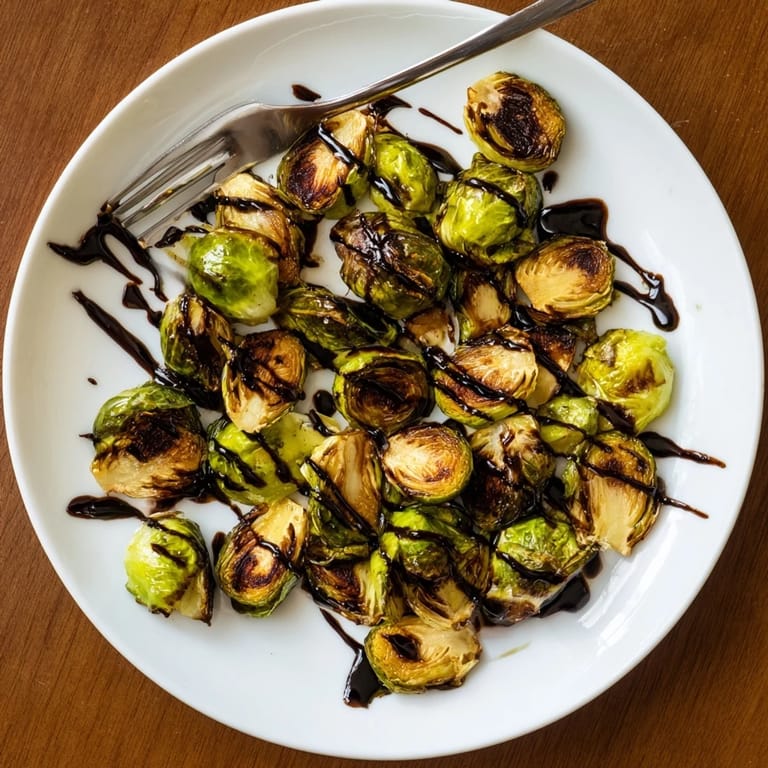
- Arrange those gorgeous caramelized sprouts on a platter and drizzle with the warm balsamic reduction right before eating.
 Save
Save My dad now requests this for every family gathering even the ones that are not really Brussels sprouts occasions. Watching skeptical friends take that first hesitant bite and then immediately ask how I made them has become my favorite cooking moment.
The Art of Caramelization
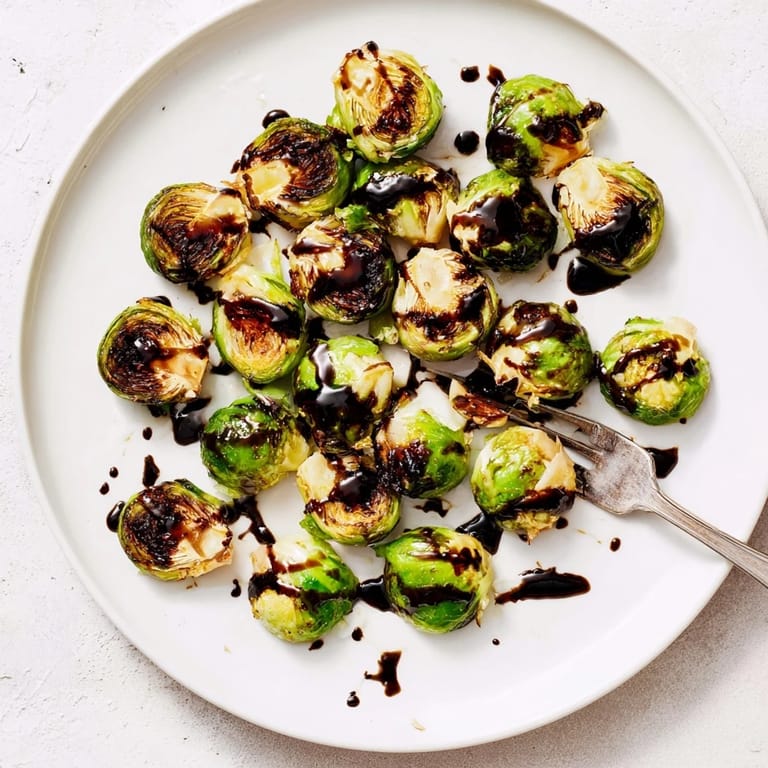
High heat transforms natural sugars in the sprouts creating complex flavors that simple boiling never achieves. That brown crusty exterior develops slightly sweet nutty notes that make people forget they are eating vegetables.
Making the Perfect Reduction
Balsamic vinegar cooks down into a concentrated glaze that clings to every sprout. The honey helps stabilize it and prevents the vinegar from becoming too sharp or acidic as it reduces.
Serving Suggestions
These work beautifully alongside roasted chicken pork tenderloin or as part of a larger holiday spread. They hold up well at room temperature too so they are great for potlucks or buffet style meals.
- Sprinkle with toasted pecans or walnuts right before serving for added crunch
- Add grated Parmesan cheese while the sprouts are still hot so it melts slightly
- Try substituting maple syrup for the honey to keep it completely vegan
 Save
Save Sometimes the simplest ingredients treated with the right technique become the dish everyone talks about long after the plates are cleared.
Saffron Brook Recipe Q&As
- → How do I get Brussels sprouts crispy instead of mushy?
The key is high heat (425°F) and arranging the sprouts cut-side down in a single layer. This promotes even browning and caramelization. Avoid overcrowding the pan, which traps steam and prevents crisping. Shake the pan halfway through cooking to ensure all sides develop those golden, crispy edges.
- → Can I make the balsamic reduction ahead of time?
Absolutely. The balsamic reduction can be made up to a week in advance and stored in an airtight container at room temperature. If it thickens too much, gently reheat with a teaspoon of water. This makes prep even easier when you're ready to roast the sprouts.
- → What can I substitute for honey in the balsamic glaze?
Maple syrup works beautifully as a vegan alternative and adds a slightly different depth of flavor. You can also omit the sweetener entirely for a more purely tart glaze, or use a touch of brown sugar. The honey mainly helps balance the acidity, so adjust based on your preference for sweet versus tangy.
- → How do I know when the sprouts are done roasting?
Look for deep golden-brown caramelization on the cut sides and darkened, crispy outer leaves. The sprouts should be tender when pierced with a fork but not mushy. Total roasting time is typically 20-25 minutes at 425°F. Trust your eyes and nose—they should smell nutty and sweet, not bitter.
- → Can I use frozen Brussels sprouts?
Fresh sprouts yield the best texture for roasting, but you can use frozen in a pinch. Thaw them completely and pat very dry with paper towels before tossing with oil. Note that frozen sprouts may release more moisture and won't caramelize quite as well, so they're better suited to sautéing than high-heat roasting.
- → What other flavors pair well with this dish?
The balsamic glaze creates a versatile base. Try adding crispy pancetta or bacon bits for savory depth, toasted pecans or walnuts for crunch, or grated Parmesan just before serving. Fresh herbs like thyme or rosemary added during the last 5 minutes of roasting also complement the balsamic beautifully.