 Save
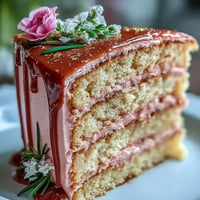
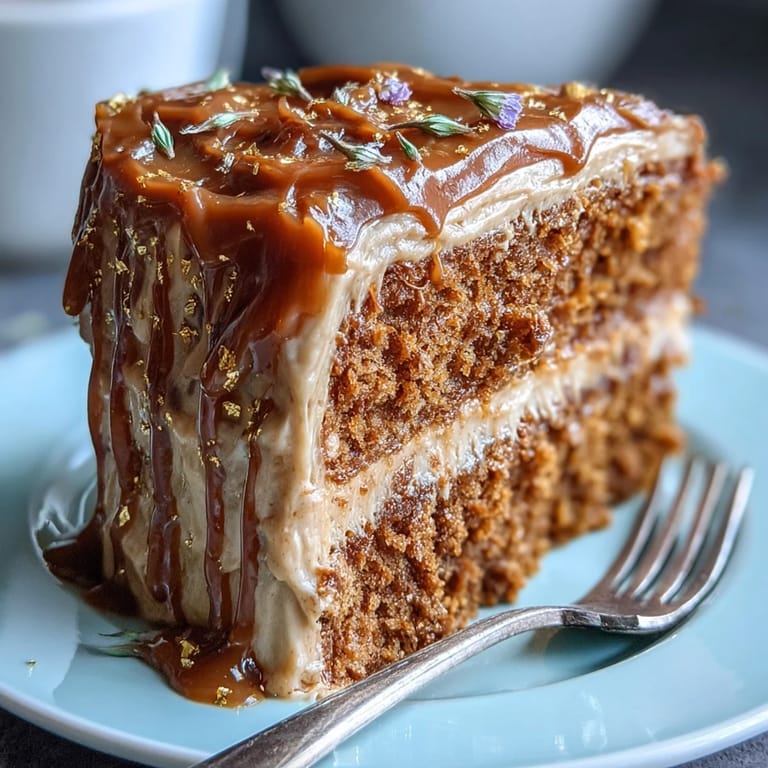
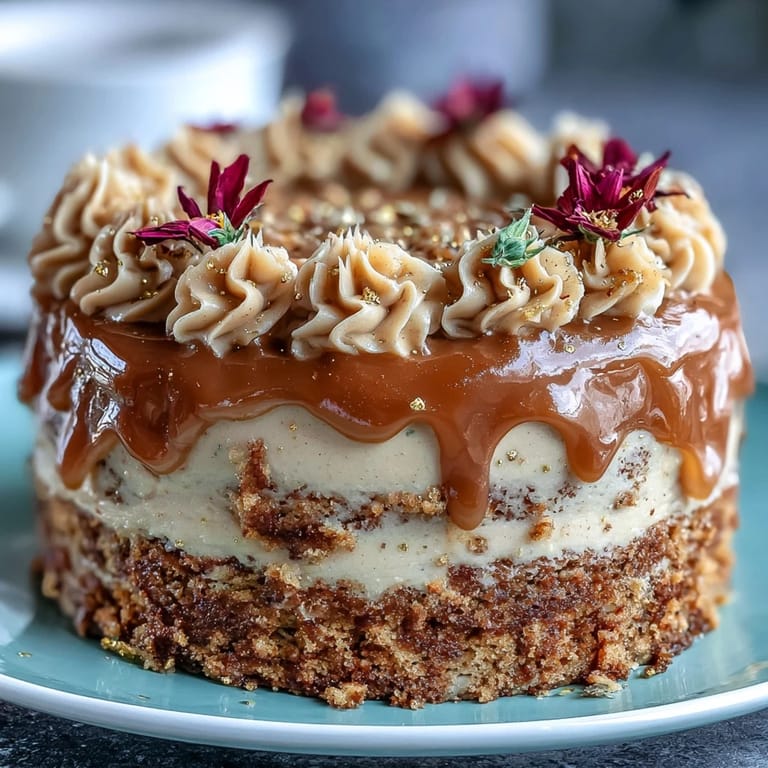
Save The first time I made this Taurus Cake, I was lured by the way the kitchen filled with the buttery-sweet aroma of bubbling butterscotch. I remember the hum of the mixer and my shoes sticking a little to the flour-sprinkled floor, petals scattered on the counter. Rather than feeling ceremonial, it reminded me of grounding myself in something tactile and beautiful. I found joy layering earthy hues of buttercream and deciding which edible flowers deserved pride of place. The whole process felt almost meditative, a cake somehow calming as it is showstopping.
I once hurried to finish this cake before friends dropped by for an impromptu May birthday gathering. The timer beeped as we joked about astrology over mugs of Earl Grey and I spread the last dollop of beet-pink buttercream, laughter keeping me from fussing too much about symmetry. It was a moment when baking became part of the conversation, not just background preparation. Watching everyone lean in for a look before the first slice made it feel like more than dessert. The cake lingered well past the last crumbs, a centerpiece for slow, earthy conversation.
Ingredients
- All-purpose flour: Provides a sturdy yet tender crumb; gently spoon and level for accurate measuring.
- Baking powder & baking soda: These team up to give the cake its perfect airy rise—double-check their freshness for best results.
- Fine salt: Even a pinch brings out all the earthy and sweet notes—never skip it.
- Unsalted butter: Room temperature is key; it blends smooth and helps both cake and buttercream taste luscious.
- Brown sugar: Extra molasses flavor boosts the butterscotch profile—pack it tight when measuring.
- Eggs: Use them at room temperature for a seamless mix and lighter texture.
- Vanilla extract: Adds warmth and rounds out both cake and sauce flavors.
- Sour cream or plain yogurt: Keeps cake layers exceptionally moist—either choice works beautifully.
- Whole milk: Adds richness and helps everything blend smoothly.
- Butterscotch sauce: Homemade is a game changer, infusing layers with true caramel depth.
- Powdered sugar: Sift for the silkiest, lump-free floral buttercream.
- Rose water: Scent is everything here—start small and taste as you go.
- Dried lavender: Completely optional, but a pinch adds gentle complexity; grind finely for the best result.
- Natural colorants (matcha, beet powder, cocoa, turmeric, spirulina): Achieve artful earthy shades without artificial dyes—add a pinch at a time to build up color.
- Edible flowers & fresh herbs: These transform the cake visually and aromatically; always source from a trusted edible supplier.
- Gold leaf or dust: A completely optional flourish for those special celebrations.
Tired of Takeout? 🥡
Get 10 meals you can make faster than delivery arrives. Seriously.
One email. No spam. Unsubscribe anytime.
Instructions
- Prep the pans:
- Grease and line three 8-inch cake pans with parchment so the layers release seamlessly—little moments like crisp parchment edges always make me smile.
- Butterscotch sauce:
- Melt butter, add brown sugar, and inhale the sweet bubbling scent as it darkens; stir in cream, finishing with vanilla and salt, then let cool (it thickens as it sets, perfect for cakes).
- Combine dry ingredients:
- Whisk flour, baking powder, baking soda, and salt together until evenly blended—tap the bowl so nothing hides in the corners.
- Cream butter & sugar:
- Beat softened butter and brown sugar until fluffy and lighter in color, pausing to scrape the bowl and listen for that change in the mixer s sound.
- Add eggs & vanilla:
- Crack in eggs one by one, mixing after each, then splash in vanilla and note how the batter smooths out.
- Add wet ingredients:
- Mix in the sour cream and butterscotch sauce, enjoying those swirling layers of gold and cream.
- Alternate flour & milk:
- Gradually add flour mixture and milk, beginning and ending with flour; stir until just blended—overmixing can dry it out.
- Bake:
- Divide batter equally between pans, smoothing the tops; bake until the cakes are springy and a tester comes out clean, about 28–35 minutes.
- Cool:
- Let cakes rest in their pans for 10 minutes, then run a knife around the edge and turn onto racks to cool completely—do not rush this step.
- Make the floral buttercream:
- Beat butter until super fluffy, then slowly add powdered sugar, milk, rose water, and optional lavender—divide and color each portion with a light hand using matcha, beet, or cocoa.
- Assemble & layer:
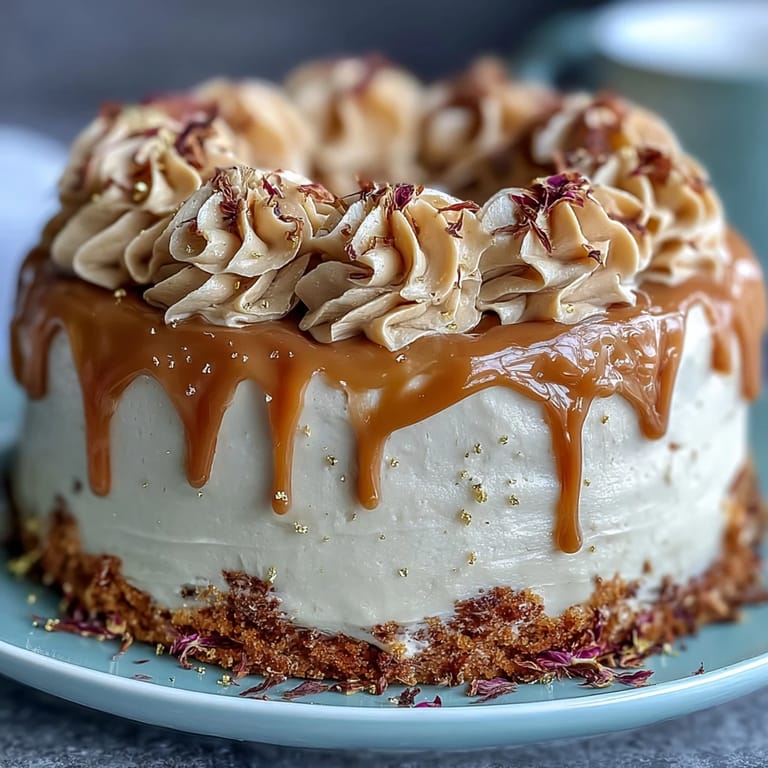
- Place the first cooled cake layer on a stand, spread buttercream, and repeat; coat the outside, swirling together colors for an earthy effect, and chill briefly to set.
- Decorate:
- Top with edible flowers, fresh herbs, and a dusting of gold leaf if mood or occasion strikes—there s always time to pause and make it beautiful.
 Save
Save 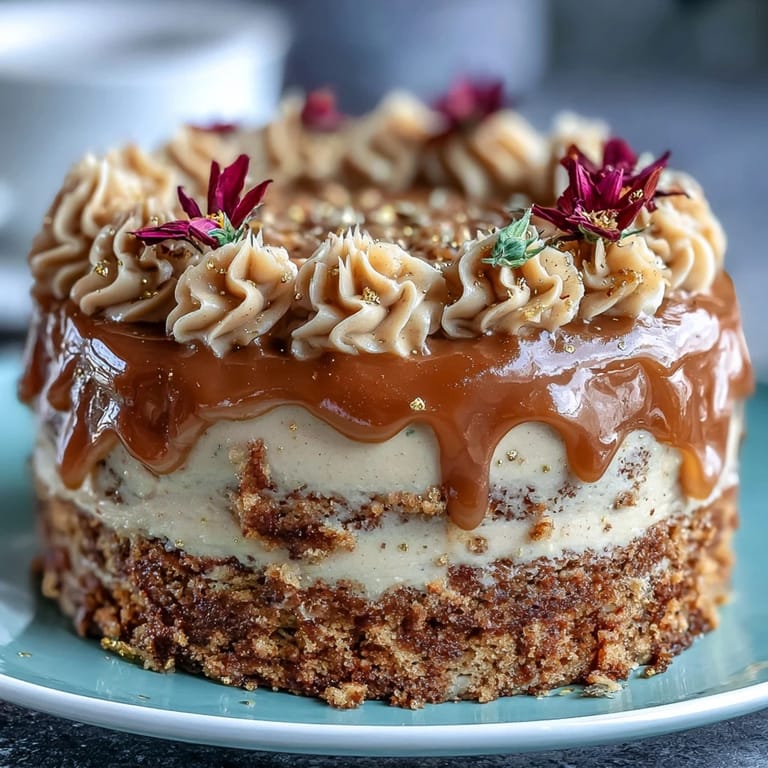 Save
Save One spring afternoon, I brought this cake to a friend s birthday and watched their eyes widen at the wildflower crown on top. That moment, sharing slices surrounded by fresh air and good company, turned a baking project into a gentle celebration of creativity and gathering. We snapped pictures, but it was the earthy sweetness and a few smudges of buttercream that lingered long after.
Coloring with Nature—Tips for Earth-Tone Swirls
Using powders like matcha, turmeric, or beet isn’t just about color, it’s subtle flavor too—start with a knife tip s worth. Mixing them into a bit of buttercream first, then swirling through the rest helps avoid streaks. Remember: a little goes a long way, so pause often to check your palette. I like to keep a bit of plain buttercream to mellow out any bold tones or save for decorative piping. And don t worry if each batch looks a bit different—nature is never perfectly uniform.
Edible Flowers and Herb Finishing Touches
The bouquets at my local market inspired me to try pansies and violets for the first time, and I learned to gently press them onto the chilled buttercream so they stayed fresh longer. Edible flowers should always be untreated and food safe—ask your supplier or check labels carefully. Herbs like rosemary and mint not only smell incredible but add texture and color, bringing a wild, foraged feeling to the final presentation. Stems can be trimmed with small scissors and tucked in right before serving. That last moment pulling the cake from the fridge and adding petals is pure magic in the kitchen.
Mistakes (and Little Successes) to Embrace
No layer cake in my kitchen has ever turned out exactly the same, but it s the tiny flaws that keep it real and inviting. My first try at natural coloring produced a batch of vibrant green buttercream that tasted just a touch too much like tea, but matched perfectly with gold petals. Splitting a layer taught me to keep spare buttercream handy for patching—sometimes the best swirls are unplanned. And don’t let a slightly uneven edge bother you.
- Keep some buttercream and flowers for patching late cracks.
- If colors look too intense, blend a bit of white buttercream to tone down.
- Wipe your cake knife between slices for a clean, bakery-style look.
 Save
Save 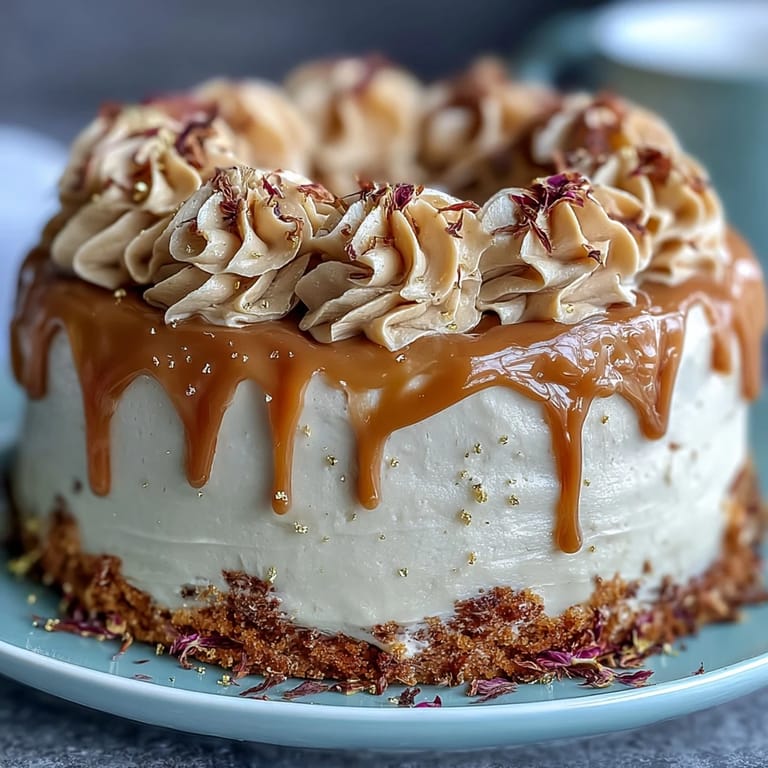 Save
Save I hope this Taurus Cake brings a sense of creative calm to your kitchen and sparks a little awe among friends. However you decorate it, trust your instincts and have fun—there’s magic in every imperfect layer.
Saffron Brook Recipe Q&As
- → How do I prevent the layers from sinking?
Avoid overmixing after adding flour, ensure leavening is fresh, and cream butter and sugar until light. Bake until a skewer comes out clean and allow pans to cool 10 minutes before turning out to finish cooling on racks.
- → Can I swap rose water for another floral note?
Yes. Orange blossom or a touch of vanilla will provide a different floral profile; start with half the amount and adjust to taste to avoid overpowering the buttercream.
- → How do I get subtle, even earth tones with natural colorants?
Mix small amounts of powdered colorant into separate buttercream portions and build color gradually. Matcha for green, beet for pink, cocoa for brown and turmeric for yellow give muted, natural hues without altering texture.
- → What’s the best way to store and transport the cake?
Store covered at room temperature up to 3 days; refrigerate if using fresh flowers. Chill the assembled cake to set the buttercream before transporting and use a snug cake box or carrier to minimize movement.
- → How do I achieve a silky buttercream texture?
Beat butter until pale and fluffy, sift powdered sugar, and add milk a tablespoon at a time until smooth. If grainy, beat longer or pass through a fine sieve; chilling briefly firms it for smoother application.
- → Can components be made ahead or frozen?
Yes. Bake and cool layers, wrap tightly, and freeze up to one month. Thaw in the fridge overnight. Buttercream can be refrigerated for a few days or frozen; bring to room temperature and rewhip before using.